Your clever tagline that cracks up customers in Chicago suddenly lands like a lead balloon in Berlin. The warmth evaporates. The punchy rhythm flattens into something stiff and oddly formal. It still says the right things, technically, but it no longer feels like your brand. That disconnect is exactly what happens when pure AI translation takes over marketing copy, social posts, or campaign narratives. The words are there. The soul is missing.
Pure AI systems have come a long way on raw accuracy. They can spit out grammatically clean text at astonishing speed. Yet when it comes to tone and brand voice—the subtle personality that makes customers feel seen and connected—machines still fall short. They default to neutral, literal phrasing that strips away emotion, cultural nuance, and the little quirks that make your brand memorable. The result? Content that reads like it was written by committee rather than a team that actually understands your audience.
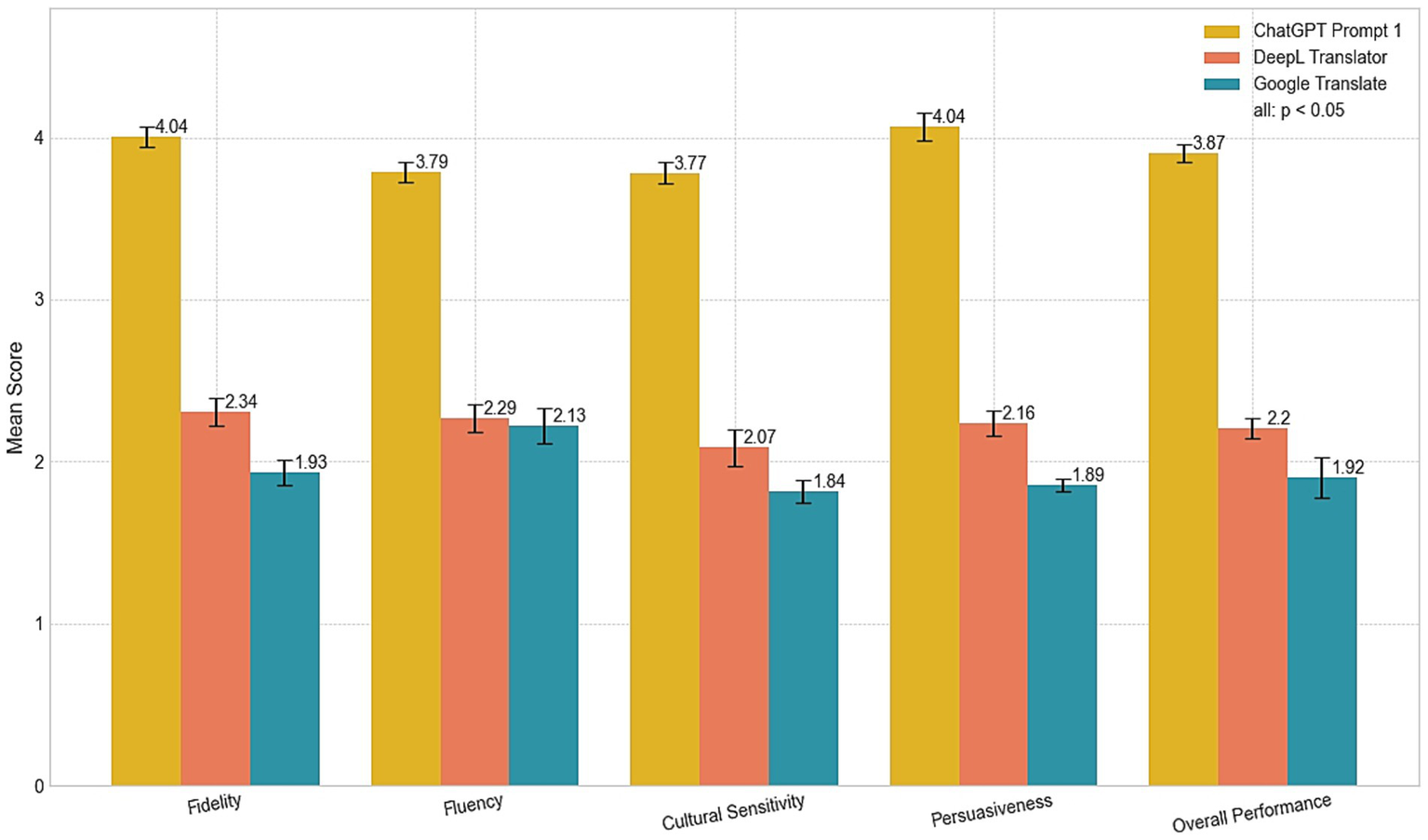
Recent data drives the point home. One 2025 analysis of marketing materials found that AI-translated copy was rated 40% less persuasive and 35% less authentic than the same content localized by professionals. Another enterprise survey from early 2026 showed that 55.9% of teams listed “brand voice consistency” as one of their top headaches with raw AI output. Consumers are noticing too: 52% now express concern about generic AI-generated content from brands, and roughly 30% say they’re less likely to buy from companies that lean too heavily on undisclosed machine-written messaging.
These numbers aren’t abstract. They show up in lost engagement, flat campaign performance, and that nagging sense that your carefully crafted voice just doesn’t travel well. A playful English headline about “unlocking joy” might become a robotic directive in Spanish. A confident call-to-action in French can sound almost apologetic if the AI misses the cultural rhythm. The literal meaning survives. The emotional pull does not.
That’s where Machine Translation Post-Editing (MTPE) changes the game. It keeps the machine’s speed for the heavy lifting but brings in experienced human editors to do what only people can: restore the humanity. These editors don’t just fix errors. They listen for the brand’s personality, adjust phrasing so it resonates locally, and layer in the emotional cues that make copy feel alive. A light touch might smooth out awkward spots for internal use. A full post-edit goes deeper—reworking sentences, injecting cultural references, and ensuring the final text sounds like it came straight from your marketing team, not a neural network.
The difference is striking. Where raw AI often produces safe, slightly wooden prose, MTPE editors inject rhythm, warmth, and intent. They catch the moments when a direct translation would feel too blunt for a high-context market like Japan, or too casual for a professional audience in Germany. They preserve the playful confidence of your original while making it feel native. In short, they turn functional text into something that actually connects.
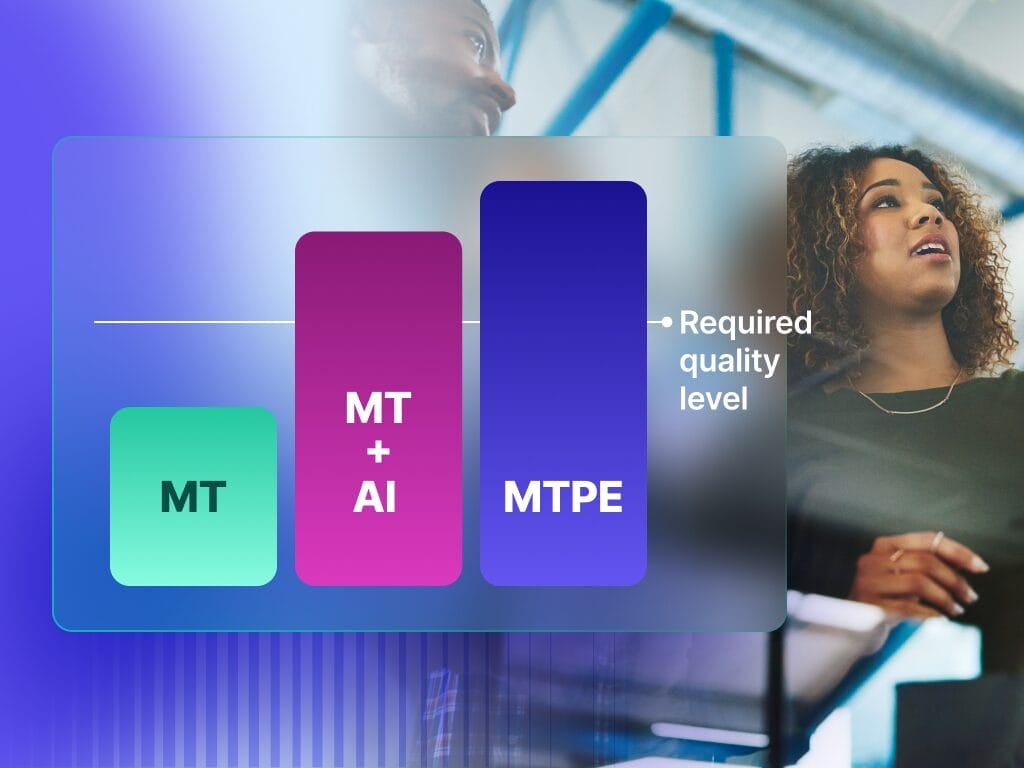
Industry shifts back this up. Adoption of MTPE workflows has jumped dramatically in recent years, with providers reporting that the human layer is what finally lets brands scale globally without sacrificing voice. It’s not about rejecting AI—it’s about partnering with it intelligently so the technology handles volume while people protect the personality.
For marketing teams expanding into new markets, the stakes are high. A single campaign that feels “off” can undermine months of positioning work. The brands winning overseas aren’t the ones racing to the cheapest machine output. They’re the ones combining speed with the thoughtful human refinement that keeps their voice consistent and compelling, no matter the language.
Teams that get this balance right often partner with specialists who’ve spent years perfecting exactly that blend. Artlangs Translation stands out here, with deep proficiency across more than 230 languages and a long track record focused on translation services, video localization, short drama subtitle localization, game localization, multilingual dubbing for short dramas and audiobooks, plus multilingual data annotation and transcription. Their portfolio of successful projects shows how the right mix of technology and human insight keeps brand voices strong and authentic across borders—exactly the edge companies need when every word counts.