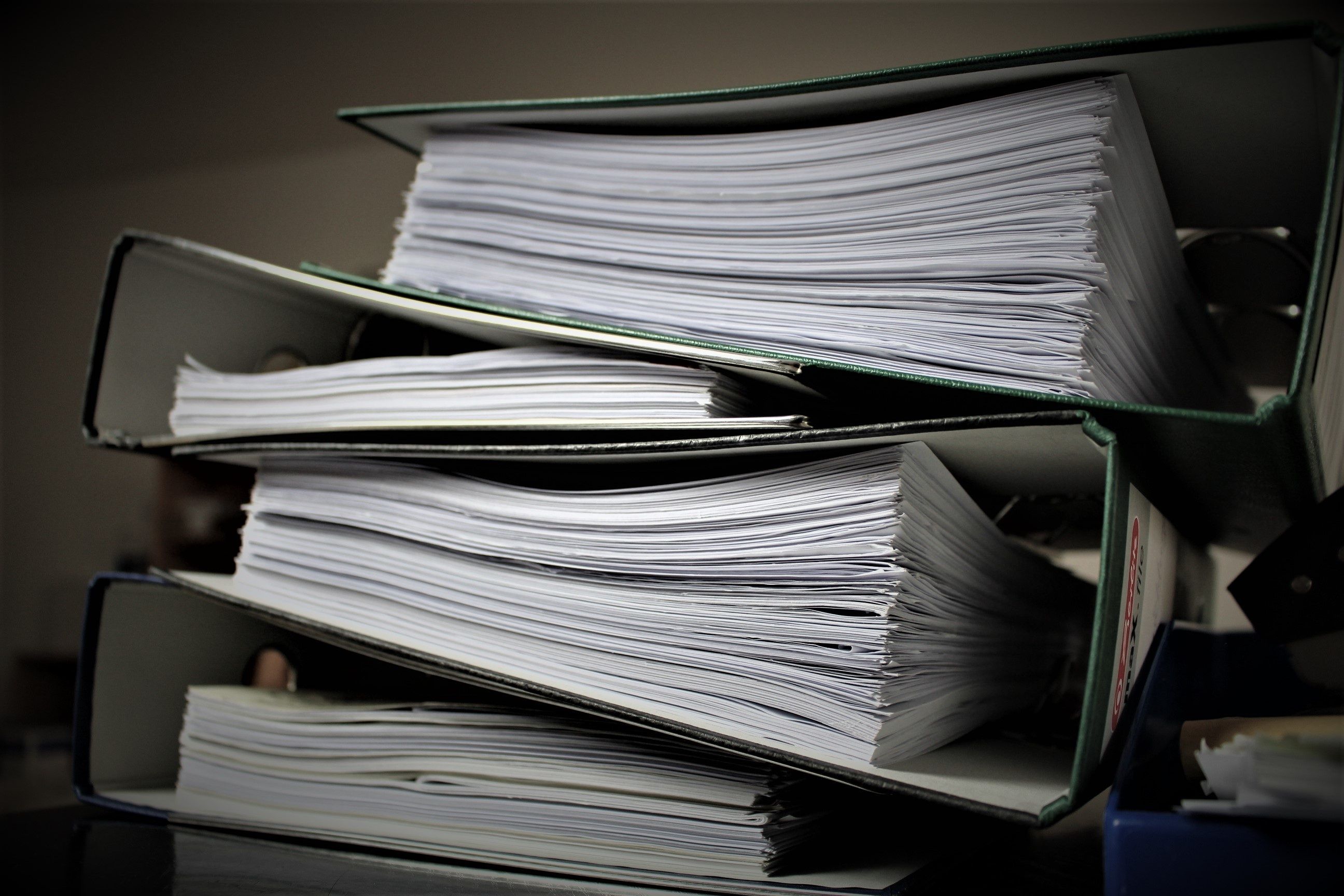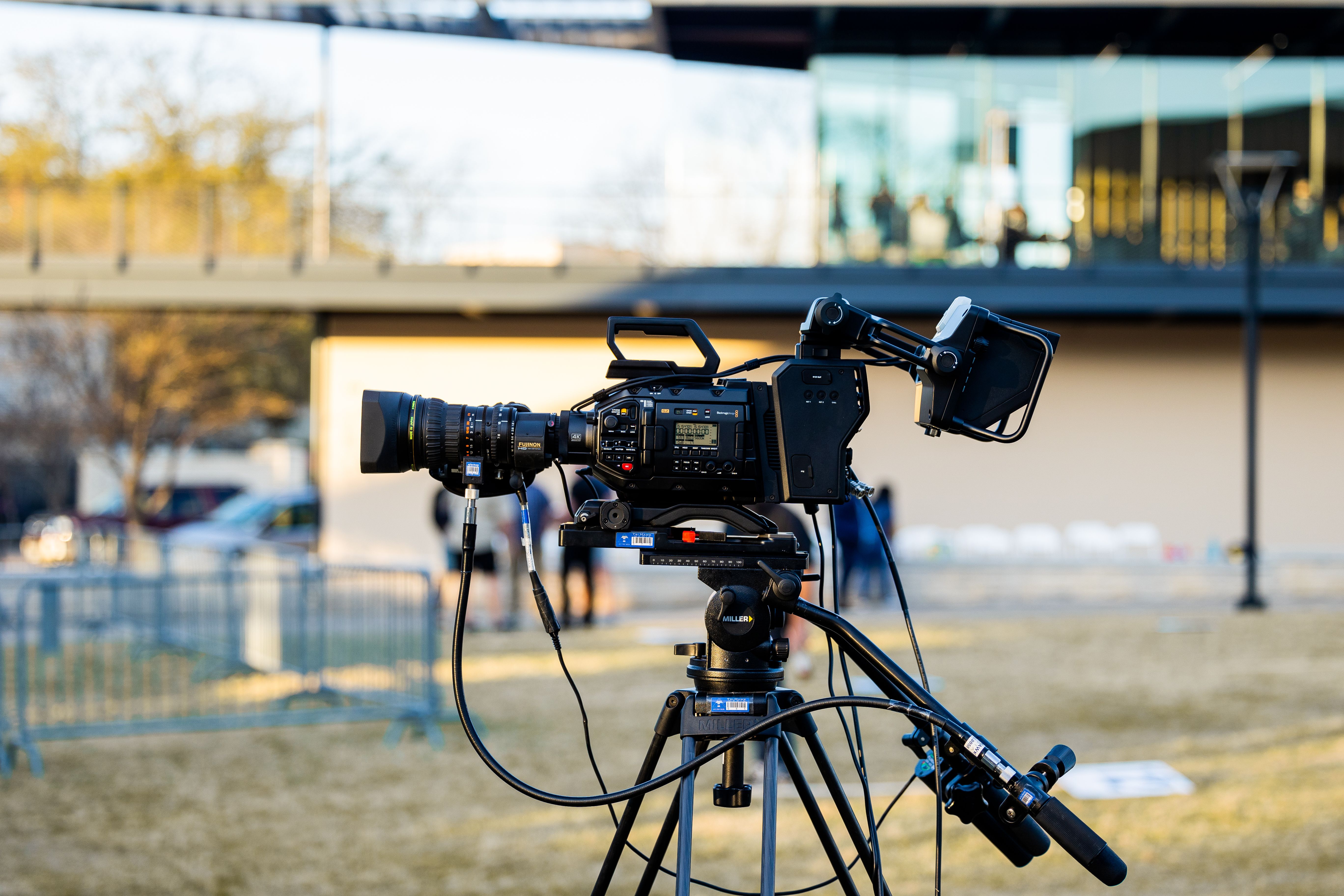
A foreign director flips through the pages of a short drama storyboard and pauses. The note beside a close-up reads something that, in the original language, carried a precise emotional weight and a specific camera intention. In the translated version it lands flatter, or worse, suggests the opposite timing. The actor hits the mark. The crew rolls. Only in the edit room does everyone realize the reaction shot no longer lands where the story needs it. Reshoots are expensive. Reworking the sequence in post is rarely clean. In the fast, high-volume world of vertical short dramas, those mistakes compound quickly.
Cross-border short drama production has moved from experiment to industry. Markets outside China are growing at a rapid clip. Research firms project the global vertical drama market reaching roughly $14 billion by 2026, with the United States alone expected to generate well over a billion dollars in revenue this year and climbing. Platforms chase high completion rates and in-app purchases, which means every episode must feel native to its audience from the first frame. That starts long before the cameras roll or the final cut is locked. It starts with the documents that tell directors, cinematographers, and editors exactly what to capture and how to shape it.
Storyboards and shot lists sit at the center of that process. They are not ordinary scripts. They mix dialogue with technical instructions: lens choices, camera moves, duration of holds, emotional beats, transitions, and visual emphasis. A phrase that works perfectly in one language can lose its operational meaning when rendered literally. “Hold on the reaction for one more beat” is not just a time marker. It signals dramatic pause, performance restraint, and editorial rhythm. Translate it as a plain duration and the emotional design of the scene can collapse. Camera notes that rely on creative shorthand suffer the same fate. Terms for framing, tension, or movement often carry assumptions that do not travel cleanly across languages and production cultures.
The cost of getting this wrong is concrete. Ineffective communication already drains substantial working time across industries; in production it shows up as standby crew, wasted location days, mismatched coverage, and late revisions. International shoots add layers of coordination across time zones and terminology differences. One well-documented case from an older feature production showed translation delays alone adding more than a week to the schedule. Short dramas operate on tighter timelines and tighter budgets—often measured in days rather than months—so the same friction hits harder. When directors or post teams have to interpret ambiguous or culturally off notes, the result is frequently reshoots or extensive fixes that erode margins and delay release.
Cultural and visual grammar matter as much as vocabulary. A suppressed reaction that signals dignity under pressure in one storytelling tradition can read as weakness or detachment in another. Storyboard notes that assume certain visual conventions need careful adaptation so the foreign director understands the intended effect without rewriting the shot. Successful cross-border teams treat storyboard translation as part of production design rather than a simple language task. They preserve technical precision while making the creative intent legible to people who will never see the original language version.
The practical difference shows up in workflow. A clean, production-ready translation of the storyboard and accompanying script lets the director plan coverage with confidence. It gives the camera department clear instructions. It gives post teams accurate references for pacing and emotional peaks. Teams that invest here report fewer on-set questions, tighter schedules, and less rework later. Those that treat the documents as ordinary text often discover the gaps only after the footage is in the can.
Market pressure is increasing the stakes. Audiences in the United States, Southeast Asia, Latin America, and Europe are consuming these short-form series at scale. Local production is rising, yet many projects still begin with source material developed in one language and culture. The ones that travel well are those that treat localization of the production documents as seriously as the final subtitles or dub. Literal accuracy is the floor, not the ceiling. The work that actually helps directors and editors is the kind that keeps the original visual and emotional architecture intact while making every instruction usable on a foreign set.
Artlangs Translation has spent more than two decades refining exactly this kind of specialized language work. With expertise across 230-plus languages and a network of more than 20,000 professional translators, the company has built a strong track record in video localization, short drama subtitle localization, game localization, multilingual dubbing for short dramas and audiobooks, and multilingual data annotation and transcription. Its experience with high-volume, time-sensitive entertainment projects positions it to deliver the precise, production-aware storyboard and script translations that keep cross-border shoots on track and protect the creative intent from first frame to final cut.