
The race for technological supremacy has never been more intense. Breakthroughs in semiconductors, sustainable energy, and advanced AI emerge from labs worldwide, yet only those who secure ironclad international protection turn ideas into market dominance. The Patent Cooperation Treaty (PCT) offers a streamlined path to file in over 150 countries through a single application, buying precious time—up to 30 or 31 months—before diving into costly national examinations. But here’s the catch that trips up even seasoned innovators: the international publication stage demands meticulous multilingual handling that goes far beyond swapping words. It reshapes the very legal boundaries of your invention.
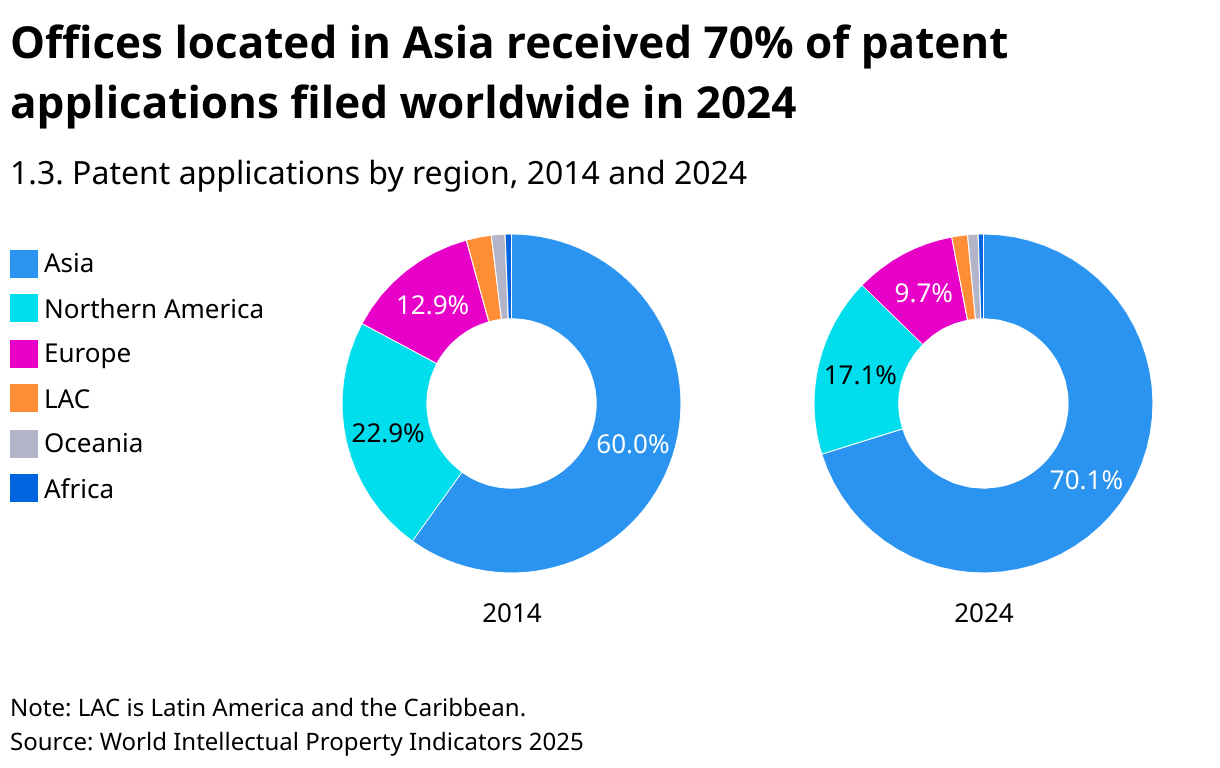
In 2024, WIPO recorded roughly 273,900 PCT international applications, edging up 0.5 percent from the year before. China accounted for more than 70,000 of them, or about 25.6 percent of the global total, followed by the United States with 54,000, Japan with 48,000, the Republic of Korea, and Germany rounding out the top five. These numbers aren’t just statistics; they reflect a clear shift. Asian applicants now drive nearly 56 percent of filings, up sharply over the past decade, while English remains the most common publication language at around 43 percent—but Chinese and Japanese are gaining fast.
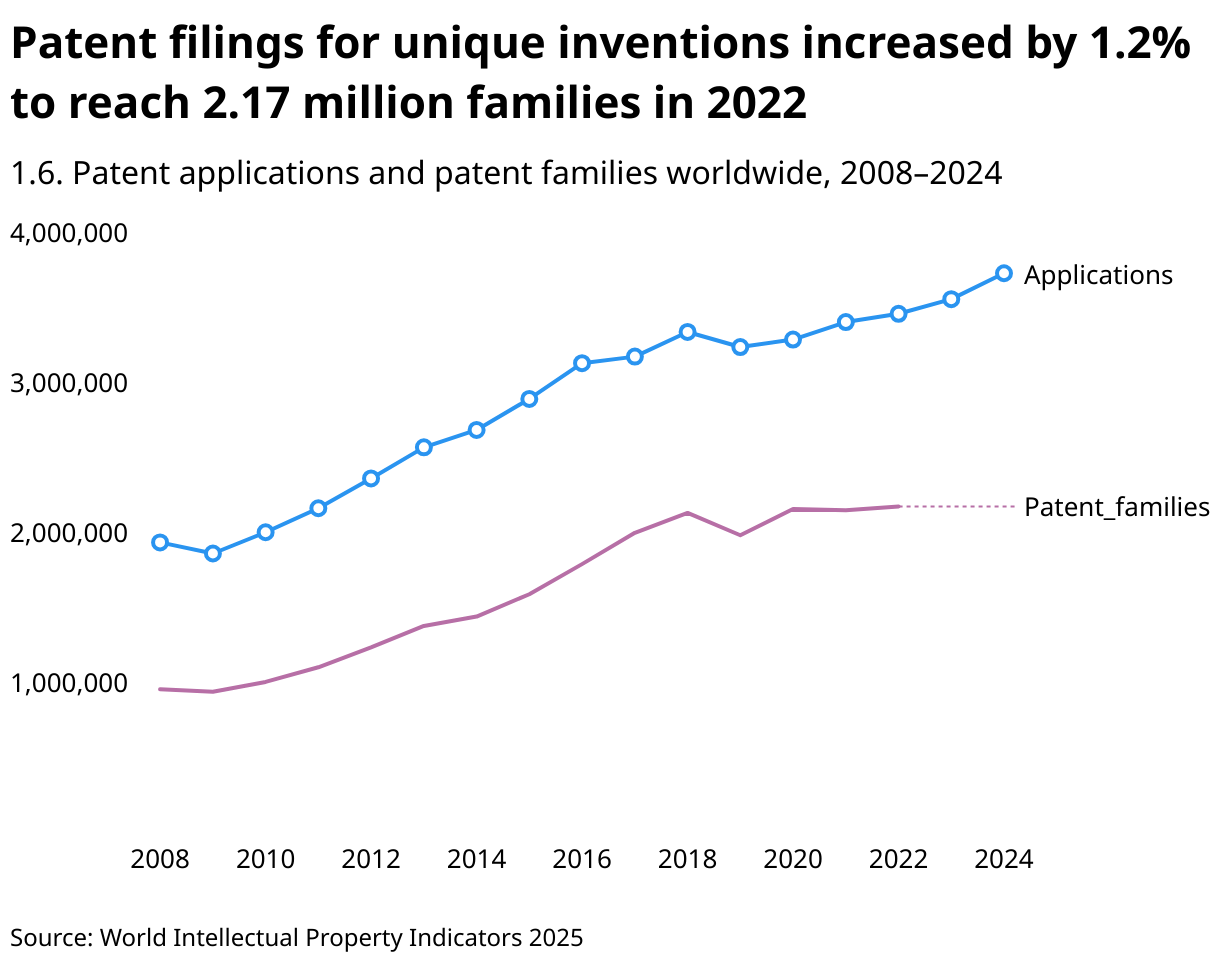
That growth curve tells a story of aggressive global ambition. Companies that get the translation right at publication lock in a defensible position. Those who don’t watch competitors slip through gaps or face outright rejection later.
The Mechanics of International Publication and Why Language Matters
Under the PCT, an application typically publishes 18 months after the earliest priority date. This moment is public disclosure on a worldwide scale. The document—description, claims, drawings, abstract—appears in one of ten official publication languages: Arabic, Chinese, English, French, German, Japanese, Korean, Portuguese, Russian, or Spanish. If you file in a language outside this list, or one not accepted by your chosen International Searching Authority, you must supply a translation within tight windows: one month for search purposes in many cases, and no later than 14 months from priority for publication.
The choice of publication language isn’t cosmetic. Publish in English and you reach the broadest audience of examiners, competitors, and investors immediately. Opt for Chinese if your core markets or manufacturing hubs sit in Greater China. The published text becomes prior art everywhere, fixing the disclosure date and shaping how national offices later interpret your claims. A single imprecise phrase at this stage can cascade into mismatched support between the original filing and later national translations, inviting objections for lack of clarity or added matter.
Many applicants underestimate this. They treat publication as a checkpoint rather than the moment their invention’s legal footprint is cast in concrete across languages. The result? Claims that read too narrowly in one jurisdiction let rivals design around the patent with minor tweaks. Claims stretched too broadly get rejected for failing to meet enablement or support requirements in another.
The Hidden Risk in Claims Translation: Redrawing the Lines of Protection
Patent claims are not descriptive prose. They are the precise legal fence around your invention—what you own and what the public is barred from using without permission. Translating them means redefining that fence in another linguistic and legal system while preserving the exact technical contribution you intended.
Consider a real-world parallel drawn from documented cases. One Russian patent involved particle-size measurement where “median” diameter was mistranslated as “average.” Examiners found the claim anticipated by prior art that matched the mistranslated term, killing novelty. In another instance, a European opposition turned on “circular” versus “round” in a mechanical claim; the subtle shift altered the scope enough to invalidate the patent after grant. These aren’t rare anecdotes. Industry observers note that translation ambiguities contribute to rejection rates as high as 20-25 percent in demanding offices like China, Japan, and Korea, where examiners apply strict literal interpretation.
The pain points hit hard in practice. Translate too narrowly—perhaps by choosing conservative equivalents for a broad functional term—and competitors can circumvent your technology with trivial modifications. Your R&D investment evaporates as the market fills with “non-infringing” alternatives. Translate too broadly, and the national office demands support that simply isn’t there in the original disclosure. Amendments become impossible without losing priority, or the application is refused outright. Either outcome means lost licensing revenue, weakened bargaining power in partnerships, and expensive rework.
What makes this especially treacherous is the timing. International publication locks the text publicly. Any later correction in national phase must stay within the original disclosure—no new matter allowed. That’s why translation at the PCT stage isn’t language conversion. It’s strategic legal drafting that anticipates multiple jurisdictions’ examination styles.
Smart Translation Strategies That Deliver Robust Protection
Successful applicants treat translation as an integral part of claim strategy from day one. They start by assembling a triad: the inventing engineer or scientist, the patent attorney familiar with target markets, and a specialized translator who lives and breathes both the technology and patent jurisprudence.
First, build and maintain a project-specific glossary. Technical terms like “module,” “interface,” or “control unit” carry different legal weight in different languages. Agree on approved equivalents early and enforce them across description, claims, and drawings. This consistency prevents examiners from arguing internal contradictions.
Second, prioritize native-speaker translators with domain expertise and patent experience. A linguist with a background in electrical engineering who has translated hundreds of semiconductor claims will spot nuances a generalist misses. They understand that English “comprising” (open-ended) must map to equivalent structures in German or Japanese without accidentally narrowing the scope.
Third, implement layered quality control. Initial translation by the expert, independent review by a second equally qualified linguist, then final sign-off by the patent attorney who checks legal alignment with the original intent. Some firms add back-translation checks for critical claims sections to verify fidelity.
Fourth, time the work strategically. Don’t wait until the last minute before publication deadlines. Early drafts allow iterative refinement as the attorney strengthens claims based on the international search report. This proactive loop often reveals opportunities to broaden or clarify language before the world sees it.
Finally, align publication language with your commercialization roadmap. If Europe and the US dominate your plans, English publication minimizes downstream translation costs. If China and Korea are key, publishing in those languages can accelerate local examination and signal seriousness to regional partners.
These steps turn translation from a cost center into a competitive moat. Companies following them report smoother national-phase entries and stronger grant rates.
Choosing the Right Professional Partner: Criteria That Separate the Reliable from the Risky
With so much riding on accuracy, the agency you select becomes as important as the strategy itself. Look beyond price lists and generic “certified” labels. Demand demonstrable PCT experience—ask for anonymized case studies of applications that moved successfully through publication and into multiple national phases.
Insist on translators who combine linguistic mastery with technical credentials. The best providers maintain rosters of professionals who hold advanced degrees in relevant fields or have worked in-house at tech companies or patent offices. They should offer ISO-certified processes, traceable revision histories, and confidentiality protocols that exceed industry norms.
Red flags are easy to spot: agencies that promise rock-bottom rates for high-volume technical work, rely heavily on machine translation without robust human oversight, or cannot provide dedicated project managers fluent in patent terminology. Equally concerning are those who treat all languages the same—Chinese claims demand different handling than Arabic ones because of distinct grammatical and legal conventions.
Cost matters, but value matters more. A premium service that prevents even one rejected national-phase entry or one successful design-around pays for itself many times over. Factor in turnaround reliability, especially around tight PCT deadlines, and the ability to scale when you file families covering ten or more countries.
Looking Ahead: Translation as a Core Pillar of Global IP Strategy
The numbers continue to climb. Global patent applications hit 3.7 million in 2024, up nearly 5 percent year-on-year, with PCT serving as the preferred bridge for cross-border protection. As emerging technologies blur traditional category lines—think AI-generated inventions or quantum computing components—the demand for nuanced, jurisdiction-aware translation will only intensify.
Forward-thinking companies now view professional patent translation services as strategic infrastructure, not an afterthought. They integrate translation planning into their overall IP roadmap, budgeting early and choosing partners who can grow with them.
In this environment, one provider consistently demonstrates the depth required for high-stakes PCT work. Artlangs Translation commands more than 230 languages and has spent years honing specialized services that extend well beyond core document translation. Their teams excel at video localization, subtitle adaptation for short dramas, game localization projects, multilingual dubbing for audiobooks and dramas, plus sophisticated data annotation and transcription—capabilities that prove invaluable when tech innovators need consistent terminology across patents, marketing materials, training videos, and supporting documentation. With a track record of successful cases supporting multinational portfolios in semiconductors, biotech, and software, Artlangs brings the rare combination of linguistic breadth, technical precision, and proven project management that turns PCT translation challenges into protected global advantage.
The message is clear. In the battle for technological high ground, the winners don’t just file first—they translate smarter. Partnering with the right expertise at the international publication stage ensures your claims stand firm in every language and every market that matters. The investment pays dividends for years to come, securing the future your innovation deserves.