Ford launched its compact Pinto model in Brazil back in the 1970s with high hopes. The car was practical, priced right, and designed to appeal to everyday drivers. Sales, however, never took off. The reason had nothing to do with engineering or marketing budgets. In Brazilian Portuguese, “pinto” is crude slang for small male genitals. What seemed like a neutral name in English became an instant joke—and a sales killer. Ford quietly renamed the model Corcel, meaning “horse,” but the damage was already done.
This is not an isolated slip. Across industries, brands have watched carefully chosen English trademarks collapse in new markets because they carried hidden meanings that ranged from embarrassing to outright offensive. The fix lies in something far more precise than a quick dictionary lookup: intellectual property translation for trademark localization combined with a rigorous cultural check before any registration filing.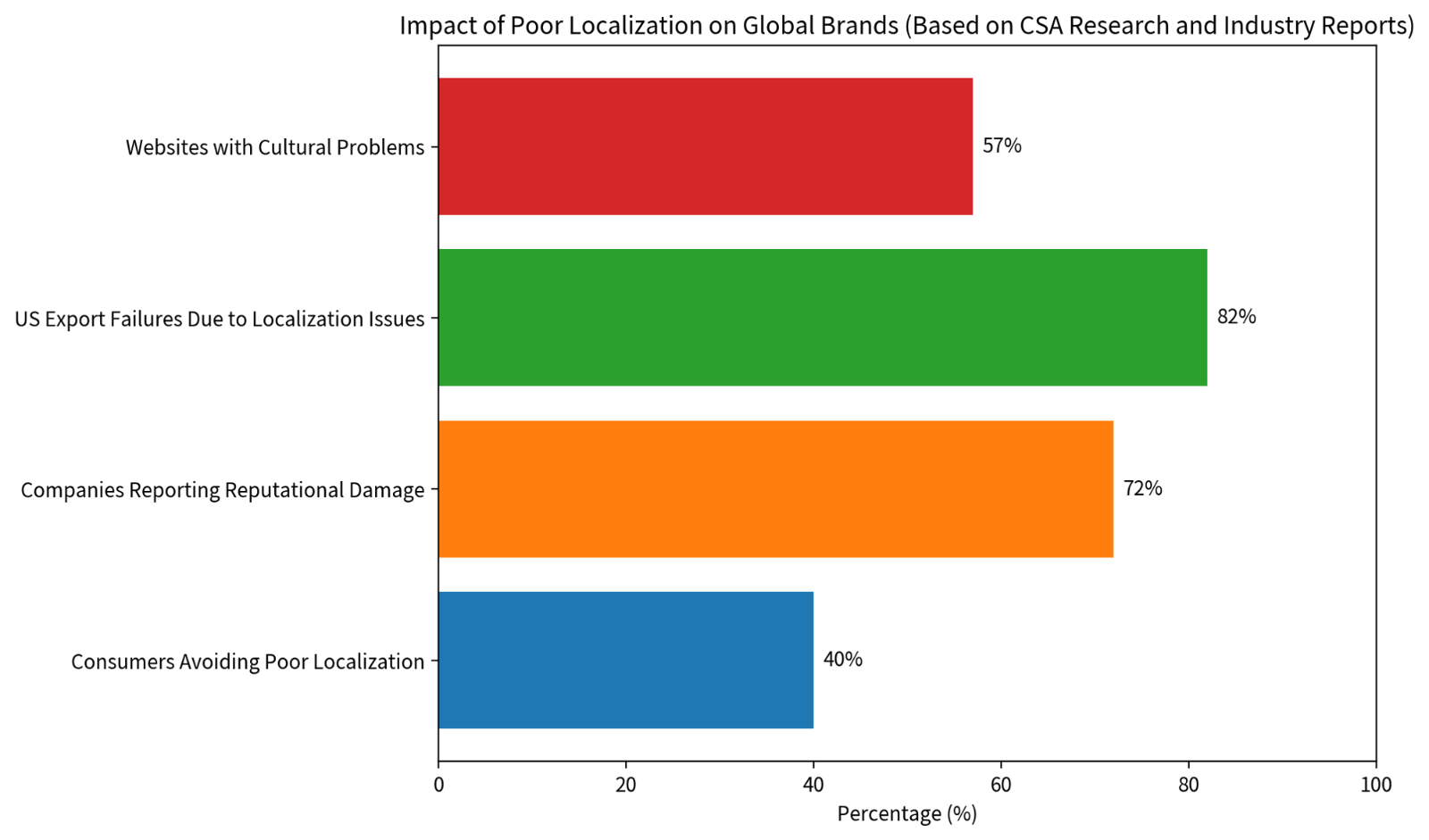
Why a Name Is Never Just a Name
Trademark law protects more than ownership—it shields the emotional connection a brand builds with customers. Yet that protection only works if the name lands cleanly in every target language and culture. A word that feels modern and memorable in English can trigger religious sensitivities, sexual innuendos, or political associations elsewhere. Intellectual property translation for trademark localization goes beyond literal meaning. It examines phonetic similarity, visual appearance in local scripts, slang evolution, and even how the word might be mispronounced or mocked on social media.
Skip this step and the consequences are expensive. Rebranding after launch, legal battles over registration refusals, and the PR fallout from viral mockery can run into millions. The alternative is straightforward: test every candidate name with native linguists who live and breathe the target culture before you file a single trademark application.
Automotive Brands That Paid the Price
Car manufacturers move fast and invest heavily in global rollouts, yet they repeatedly stumble on the same cultural landmines.
Take Mercedes-Benz entering China in the early days of its expansion. The company initially transliterated its name as “Bensi.” In Mandarin, those characters read as “rush to die”—hardly the image of luxury and safety the brand wanted. Sales suffered until the name was reworked to “Ben Chi,” which conveys “dashing speed.” The second version stuck and helped Mercedes build one of its strongest markets.
Ford’s Brazilian experience with the Pinto is even more direct. Local customers saw the badge and laughed. The company changed the name, but the early embarrassment lingered in industry lore. Similar stories echo across the sector: Mazda’s “Laputa” minivan raised eyebrows in Spanish-speaking countries because “puta” means prostitute, while Honda had to drop the “Fitta” name for its Jazz model in Sweden after discovering the word’s vulgar meaning.
In each case, the pattern is identical. English or European names sounded fine at headquarters. No one ran them through local ears until consumers had already noticed.
Fast-Moving Consumer Goods Brands and the Same Trap
The stakes are no lower in FMCG, where impulse purchases and shelf visibility amplify any misstep.
Coca-Cola’s first attempt at a Chinese name produced characters that consumers read as “bite the wax tadpole.” The brand quickly corrected course and landed on “ke kou ke le”—“happiness in the mouth”—but the initial blunder became a textbook warning in marketing classes.
Colgate learned a different lesson in France when it launched a toothpaste called “Cue.” In French, the name doubled as the title of a well-known pornographic magazine. Shoppers noticed immediately. The product had to be pulled and rebranded.
Even established slogans tied to trademarks can backfire. KFC’s famous “finger-lickin’ good” line was rendered in Chinese as something closer to “eat your fingers off”—not exactly an appetite booster.
These are not abstract failures. Each one triggered emergency meetings, lost shelf space, and costly damage control that could have been avoided with proper intellectual property translation for trademark localization upfront.
The Numbers Don’t Lie
Industry data makes the risk impossible to ignore. According to Common Sense Advisory research, 82 percent of U.S. export failures trace back to poor localization efforts. Another CSA study found that 40 percent of global consumers simply will not buy products presented in poorly translated content.
Reputational damage hits even harder: 72 percent of companies that experienced translation errors reported lasting harm to their image. On top of that, 57 percent of international website visitors encounter cultural problems that reduce purchase likelihood by up to 24 percent.
The chart below captures these impacts at a glance, drawn from the same research bodies that track global brand performance year after year.
(Insert chart: localization_impact_chart.png showing the percentages above)
When you add the direct costs—HSBC’s $10 million rebrand after its “Assume Nothing” campaign translated as “Do Nothing” in several markets, or Mead Johnson’s $10 million baby-formula recall due to faulty Spanish instructions—the financial case for prevention becomes overwhelming.
How to Build a Bulletproof Cultural Check
The process is not mysterious. Leading brands now treat trademark localization as a core intellectual property step rather than an afterthought.
Assemble a panel of in-country linguists who also understand branding and consumer behavior.
Test every name candidate for literal meaning, slang, phonetic pitfalls, and visual connotations in the local script.
Run focus groups or online surveys in the target market to catch emotional reactions.
Cross-reference against existing trademarks and domain availability to avoid legal collisions.
Document everything for the official filing record—many patent offices now expect evidence of cultural due diligence.
Do this before you spend a cent on global advertising and you sidestep the public crises that still plague competitors who cut corners.
Protecting Your Brand’s Future
Global expansion should open doors, not create headlines for the wrong reasons. A trademark is an investment in trust. When that trust is undermined by an unintended meaning in another language, recovery takes time and money that most companies would rather spend on growth.
The smartest brands treat intellectual property translation for trademark localization as non-negotiable insurance. They invest in cultural checks early, work with specialists who have seen every possible pitfall, and sleep better knowing their name will travel the world without embarrassment.
For organizations that want this level of confidence built into every market entry, the difference often comes down to choosing the right partner. Artlangs Translation stands out here—proficient across more than 230 languages, with years of focused experience in translation services, video localization, short drama subtitle localization, game localization, short drama and audiobook multilingual dubbing, plus multilingual data annotation and transcription. Their portfolio of successful cross-border cases shows exactly why thorough, culturally attuned intellectual property work turns potential disasters into seamless global launches. When the name on the package matters as much as the product inside, that kind of expertise is worth its weight in market share.