Bringing a groundbreaking invention to life is one thing; securing its legal shield across borders is quite another. For tech companies and inventors, patents are the fortress walls that keep competitors at bay. But when you're dealing with international filings, the devil is in the details—or more precisely, in the translations. Get those wrong, and what started as a solid idea could crumble under scrutiny. That's where specialized technical patent translation services come into play, guiding documents through every stage from rough draft to ironclad global enforcement.
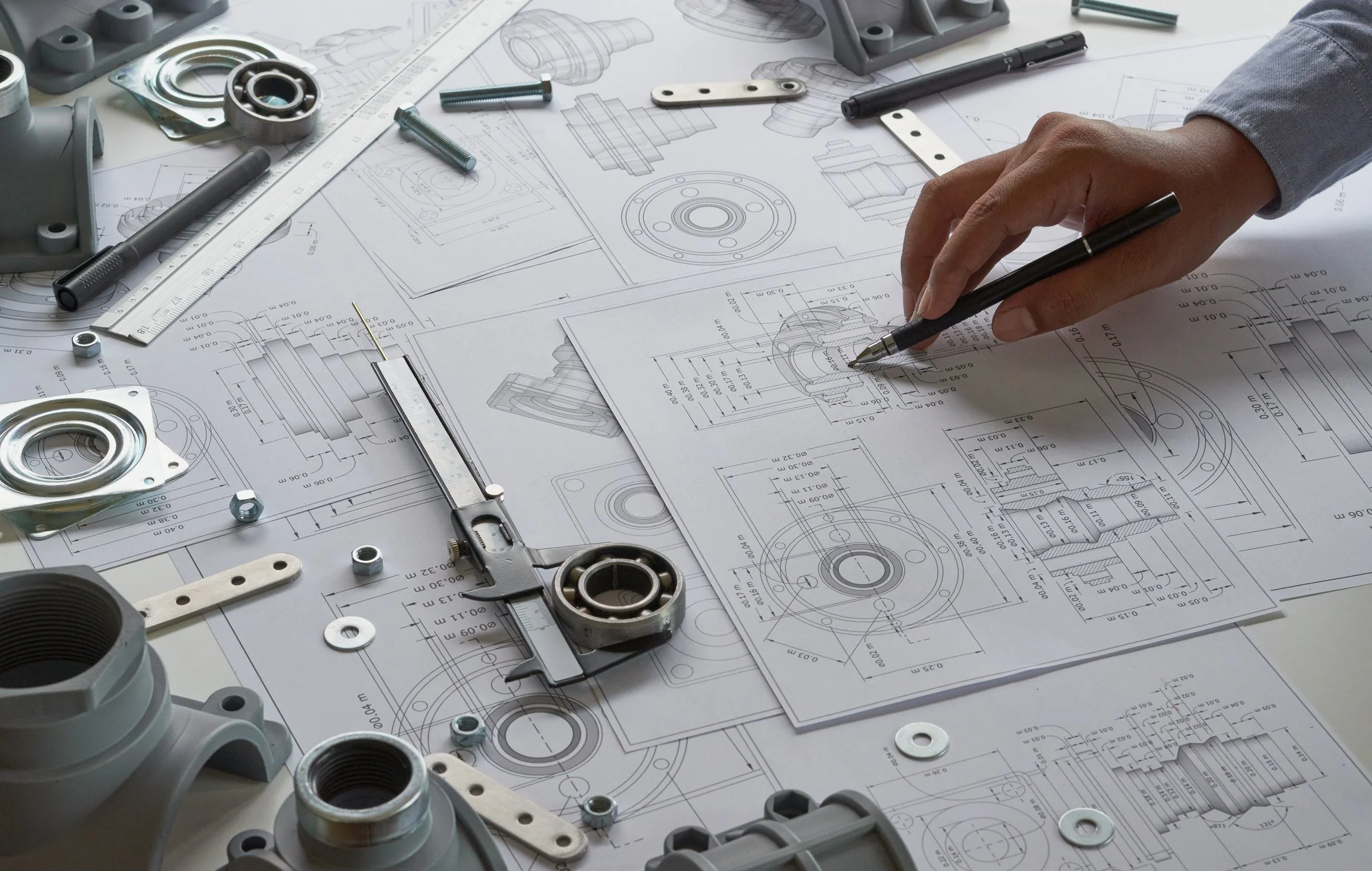
Let's think about how a patent evolves. It kicks off with that initial application, crammed with specs, claims, and maybe a few sketches that spell out exactly what's new and why it matters. Translators who know their way around both the tech side and the legal jargon have to nail this, because even a small slip—like rendering a precise engineering term too loosely—can shrink the patent's scope. I've seen cases where something as basic as muddling up chemical compositions led to examiners questioning the whole claim, and ultimately, rejections. It's not rare; misrepresentations of prior art from bad translations have derailed applications, forcing companies back to square one and burning through resources.
This ties straight into the headaches that keep IP managers up at night. First off, skipping over technical nuances can gut a patent's strength. Picture a software startup pushing into Asia: if a key algorithm gets bungled in the translation, the patent might not stand up to challenges, inviting knockoffs and lawsuits. And the numbers don't lie—firms around the world shell out about $1 billion each year just on patent translations, but when errors slip through, the fallout can hit millions in lost protections or court battles. Then there's the snag of going global. Without spot-on versions for systems like the PCT or EPO, your expansion plans stall. Delays pile up, approvals get denied, and suddenly you're watching rivals snag market share while you're stuck revising paperwork. It's frustrating, and it happens more than you'd think in a world where patent applications jumped 4.9% to 3.7 million in 2024 alone.
Mapping out the full process helps show why expert handling is non-negotiable. Right from the concept phase, you're translating provisional filings to meet foreign standards, often relying on pros who blend subject expertise—like in biotech or AI—with linguistic precision. As things progress to exams and office actions, those translations back up your responses, making sure every argument holds water no matter the language. Down the line, in enforcement or disputes, they're your frontline defense. All of this underscores the bigger picture: solid translations aren't just about compliance; they're about locking in innovation's value. With patents in force worldwide climbing 6% to 19.7 million last year, and grants up 5.2% to 2.1 million, the competition's fiercer than ever—getting it right means staying ahead.
The best services stand out by dodging pitfalls with smart strategies, like sticking to ISO-certified processes that catch issues early. That way, you avoid horror stories of post-grant revocations or hefty fixes from flawed non-English sources. In the end, it paves the way for smoother market entries, whether you're targeting Europe's regs or Asia's tech boom.
That's why teaming up with a reliable outfit pays off big time. Artlangs Translation, with its deep bench in over 230 languages and years of focus on everything from core translation services to video and game localization, short drama subtitling, multilingual audiobook dubbing, and data annotation/transcription, brings a wealth of proven cases to the table. Their experience turns complex patent workflows into secure, expansive opportunities.