You have the ring, the memories, and the official document from your home country. But when you present that marriage certificate to a foreign immigration officer, a mortgage lender, or a court clerk, they don’t see a union; they see a potential administrative error.
If the translation of your marriage certificate is rejected, the fallout is rarely just a delay. It often results in a Request for Evidence (RFE) from immigration services, a pause on spousal visa processing, or a legal challenge regarding property rights.
Legal recognition relies on specific protocols—specifically Certified Translation and Apostille authentication. This guide breaks down exactly what government bodies require to ensure your marital status is recognized globally without dispute.
The High Cost of "Good Enough" Translations
According to data regarding USCIS (United States Citizenship and Immigration Services) processing, a significant percentage of Requests for Evidence (RFEs) stem from technical errors in documentation.
When a marriage certificate translation is flagged for inaccuracy or lack of proper certification, the consequences are measurable:
Immigration Delays: An RFE typically adds 60 to 90 days to visa processing times.
Legal Inadmissibility: In inheritance or divorce proceedings, a contested translation can render the document inadmissible as evidence.
Financial Loss: Re-submitting applications often incurs new filing fees and legal costs.
The reality is simple: Government agencies do not care if the translation is "readable." They care if it is legally binding.
Certified Translation vs. Notarization: Knowing the Difference
One of the most common reasons for rejection is confusion between a certified translation and a notarized one. They are not interchangeable.
1. Certified Translation
This is the standard required by USCIS, UK Visas and Immigration, and most Western academic or legal institutions. A certified translation must include a signed statement (Certificate of Accuracy) from the translator or translation agency declaring:
They are competent to translate from the source language to the target language.
The translation is a complete and accurate representation of the original document.
2. Notarized Translation
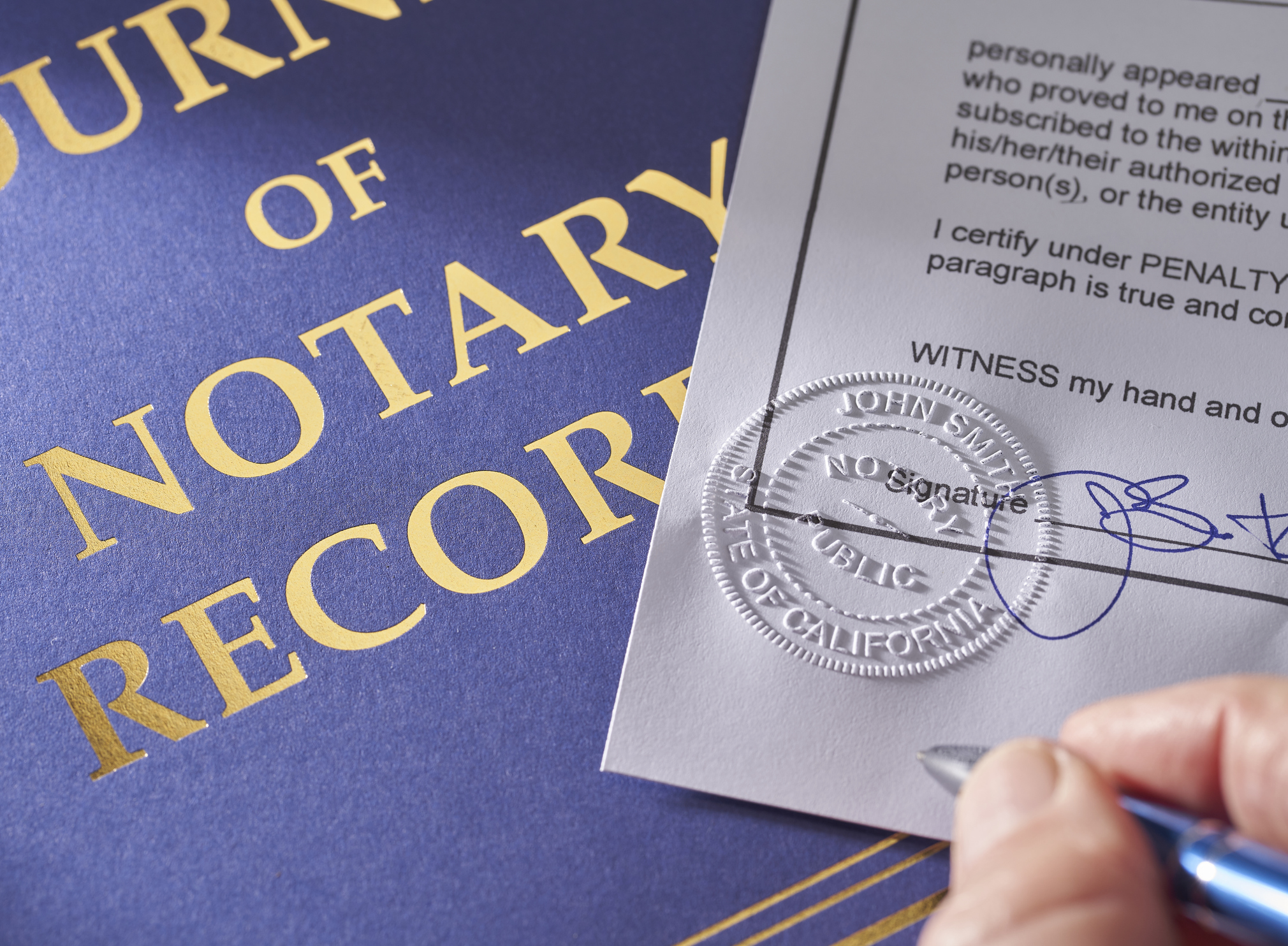
Notarization acts as an identity check. A notary public witnesses the translator signing the Certificate of Accuracy.
When do you need it? Notarization is rarely required for standard immigration (USCIS dropped this requirement years ago), but it is often required for passport applications, court proceedings, and international submission (such as buying property overseas).
Quick Reference: Which Do You Need?
| Scenario | Certified | Notarized | Apostille |
| USCIS (Green Card/Visa) | ✅ | ❌ | ❌ |
| US Passport Application | ✅ | ✅ | ❌ |
| Foreign Court (Divorce/Probate) | ✅ | ✅ | ✅ |
| Buying Property Abroad | ✅ | ✅ | ✅ |
The Apostille: The Gold Standard for International Use
If you intend to use your marriage certificate in a country different from where it was issued (and different from where you are currently residing), you likely need an Apostille.
The Apostille is a specific type of authentication issued by the state or national government that verifies the authenticity of the public official's signature on the document (not the translation itself, but the original document or the notarization).
This applies to all member countries of the Hague Apostille Convention.
The Workflow for Legal Recognition
To ensure zero friction in your application, follow this hierarchy:
Obtain a Certified Copy: Get an official copy of the marriage license from the issuing government.
Professional Translation: Have it translated by a professional service (never a family member).
Notarization (If required): The translator signs the accuracy statement before a notary.
Apostille: The Secretary of State (in the US) or Foreign Ministry attaches the Apostille to the notarized document.
Crucial Note: An Apostille validates the seal and signature of the notary or official. It does not validate the content of the translation. This is why the underlying translation accuracy is paramount.
Critical Elements of an Accurate Translation
To pass the scrutiny of a government officer, the translation must mirror the original in every way.
Format Matching: The layout of the translation should visually resemble the original. If the original has a seal in the bottom right, the translation should indicate
[Seal]in the bottom right.Translation of Seals and Stamps: You cannot ignore "background" text. Every stamp, signature, and marginal note must be translated or transcribed (e.g.,
[Illegible Signature]).Proper Name Handling: Names must appear exactly as they do in the passport, even if the spelling seems counter-intuitive in the target language. Discrepancies here are the #1 cause of marital status disputes.
Frequently Asked Questions (FAQs)
Q: Can I translate my own marriage certificate for USCIS if I am bilingual?
A: No. USCIS regulations prohibit the petitioner or beneficiary from translating their own documents to prevent conflicts of interest. You must use a disinterested third party, preferably a professional service to ensure the formatting meets federal standards.
Q: Does a marriage certificate translation expire?
A: The translation itself does not expire. However, if the original document is lost or deemed invalid by the issuing country, the translation is no longer useful. Always keep the translation attached to the copy of the original document.
Q: What happens if there is a typo in the translation?
A: Even a minor typo in a date or name can lead to an RFE (Request for Evidence). It is vital to use a service that offers free revisions and a guarantee of acceptance.
Q: Do I need the original document, or is a scan enough?
A: For the translation process, a high-quality scan is usually sufficient. However, when submitting your application to the government, you will often need to show the original certified copy alongside the translation.
Ensuring Global Compliance
Navigating the bureaucracy of marital status recognition requires more than just language fluency; it requires procedural expertise. Whether you are applying for a Green Card, managing an international inheritance, or localizing legal content, precision is the only metric that matters.
This is where Artlangs Translation distinguishes itself from generic automated solutions.
With years of dedicated experience in the language industry, Artlangs has mastered the nuance of compliance. While we are widely recognized for our prowess in video localization, short drama subtitles, game localization, and multi-language voiceovers, our foundation is built on linguistic accuracy. We manage a network of experts proficient in 230+ languages, ensuring that even the most obscure dialects are handled with native precision.
From complex data annotation and transcription projects to critical civil documents, Artlangs applies the same rigorous quality control. We don't just translate words; we ensure your documents carry the authority they need to be recognized worldwide.
Would you like to review a sample of a standard Certified Translation format to see exactly what USCIS looks for?