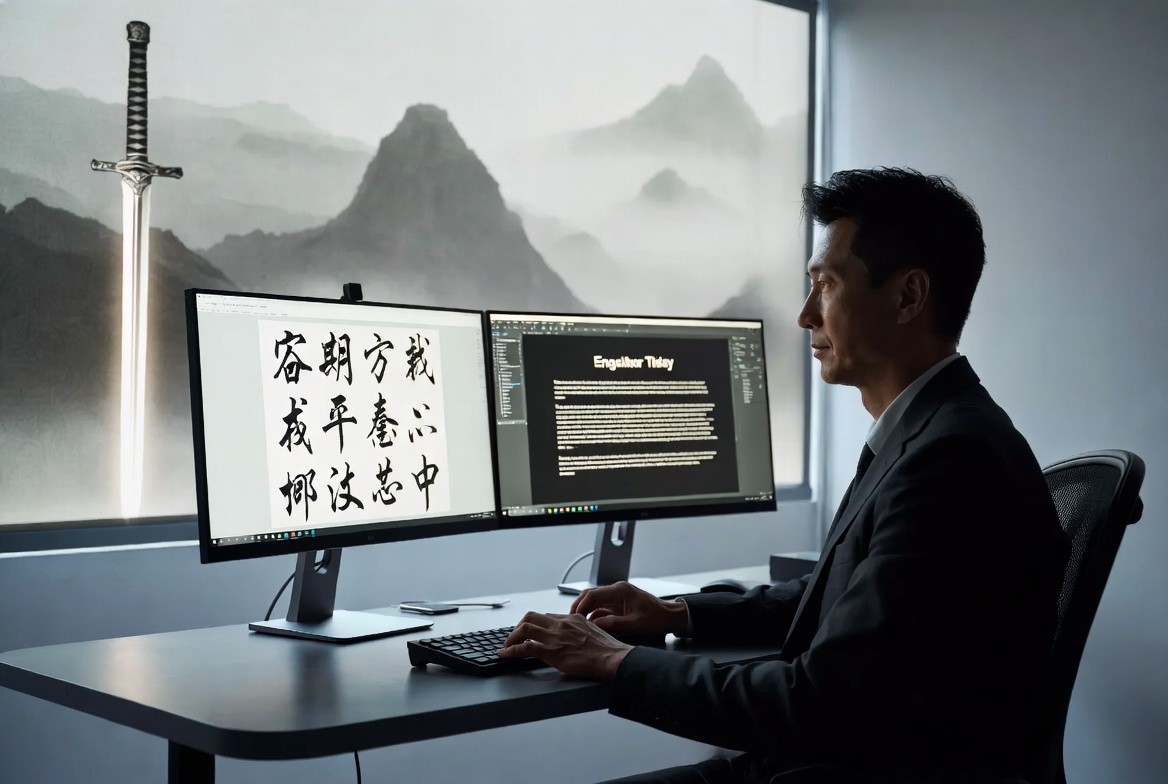
Producers pour real heart into those sweeping ancient-style short dramas—flowing silk robes, sword fights that cut through mist, forbidden romances under lantern light. Then the English version hits the screen, and something vital just… disappears. The lines that once felt profound turn stiff and ordinary. Fans who crave wuxia and xianxia notice right away and quietly move on, taking their binge time and subscription money with them.
The real issue isn’t just bad wording. Literal translations strip away the elegance and cultural layers that make these stories addictive. A hero’s solemn oath of revenge lands like “I will kill him someday,” and suddenly the weight is gone. The whole world-building crumbles, turning what should have been must-watch material into something forgettable.
The toughest part is the specialized vocabulary baked into wuxia and xianxia. These terms carry centuries of meaning that refuse to sit neatly in English. “Jianghu” isn’t “rivers and lakes”—it’s the chaotic martial underworld where honor and betrayal collide daily. “Qi” goes way beyond “energy”; it’s the living spiritual current that powers every breakthrough and battle. And forging a “golden core”? That’s the pivotal moment a cultivator stakes everything on, not some shiny object.
Here’s how a careful ancient style short drama English translation actually handles it without killing the vibe:
Original: “一剑斩断红尘” Flat version: “One sword cuts off the mortal world.” Real version: “One gleaming stroke of his blade severed the red dust of mortal attachments forever.”
Original: “筑基成功” Flat: “Foundation establishment successful.” Real: “He had finally laid his immortal foundation, anchoring his spirit for the long climb toward eternity.”
Original: “踏入仙途” Flat: “Step onto the immortal path.” Real: “He stepped onto the immortal path, each footfall ringing with the distant call of heavenly realms.”
Those adjustments keep the poetry breathing. The sentences still roll with the same rhythm as the original performance. Metaphors drawn from classical verse and folklore stay vivid instead of turning mechanical.
The best teams don’t stop at the glossary. They read every revised line aloud against the footage, tweaking until the English flows as naturally as the Mandarin. That’s why more and more productions now bundle a simple downloadable wuxia-xianxia glossary with the English package—quick context for viewers without yanking them out of the story.
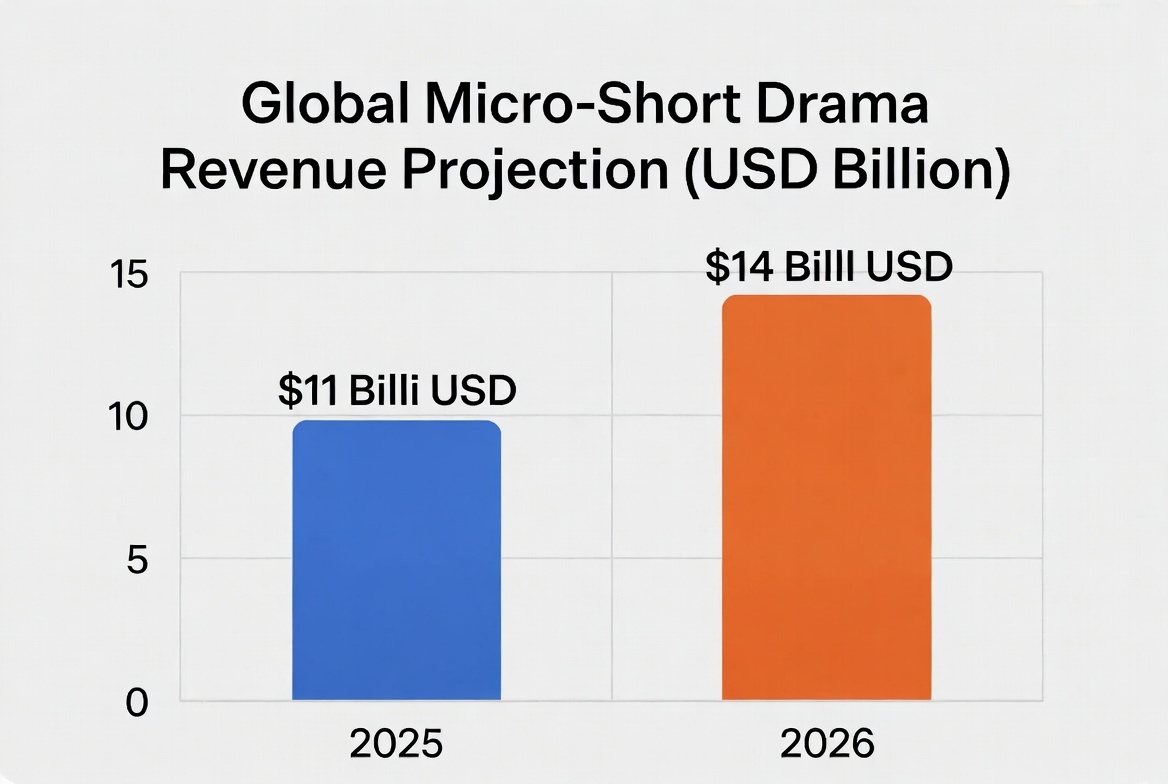
The numbers prove the difference matters. Global micro-short drama revenue hit $11 billion in 2025 and is heading straight for $14 billion by the end of 2026, with in-app purchases alone expected to more than double from $3.8 billion to $7.8 billion. A big chunk of that surge comes from new international fans discovering ancient-style tales. When the translation respects the original’s grace, they stick around and keep paying for the next episode. When it doesn’t, they’re gone for good.
At the end of the day, the gap between a translation that works and one that flops comes down to people who genuinely understand both the source culture and the audience on the other side. Quick machine drafts or word-for-word swaps just can’t deliver that.
If you’re ready to bring your ancient-style short dramas to English markets while keeping every bit of their original wonder intact, Artlangs Translation has exactly the experience you need. Proficient across more than 230 languages and sharpened over years of focused work in translation services, video localization, short drama subtitle localization, game localization, short dramas and audiobooks through multilingual dubbing, plus multilingual data annotation and transcription, their long list of successful projects shows how the right English version can turn cultural gems into worldwide obsessions.