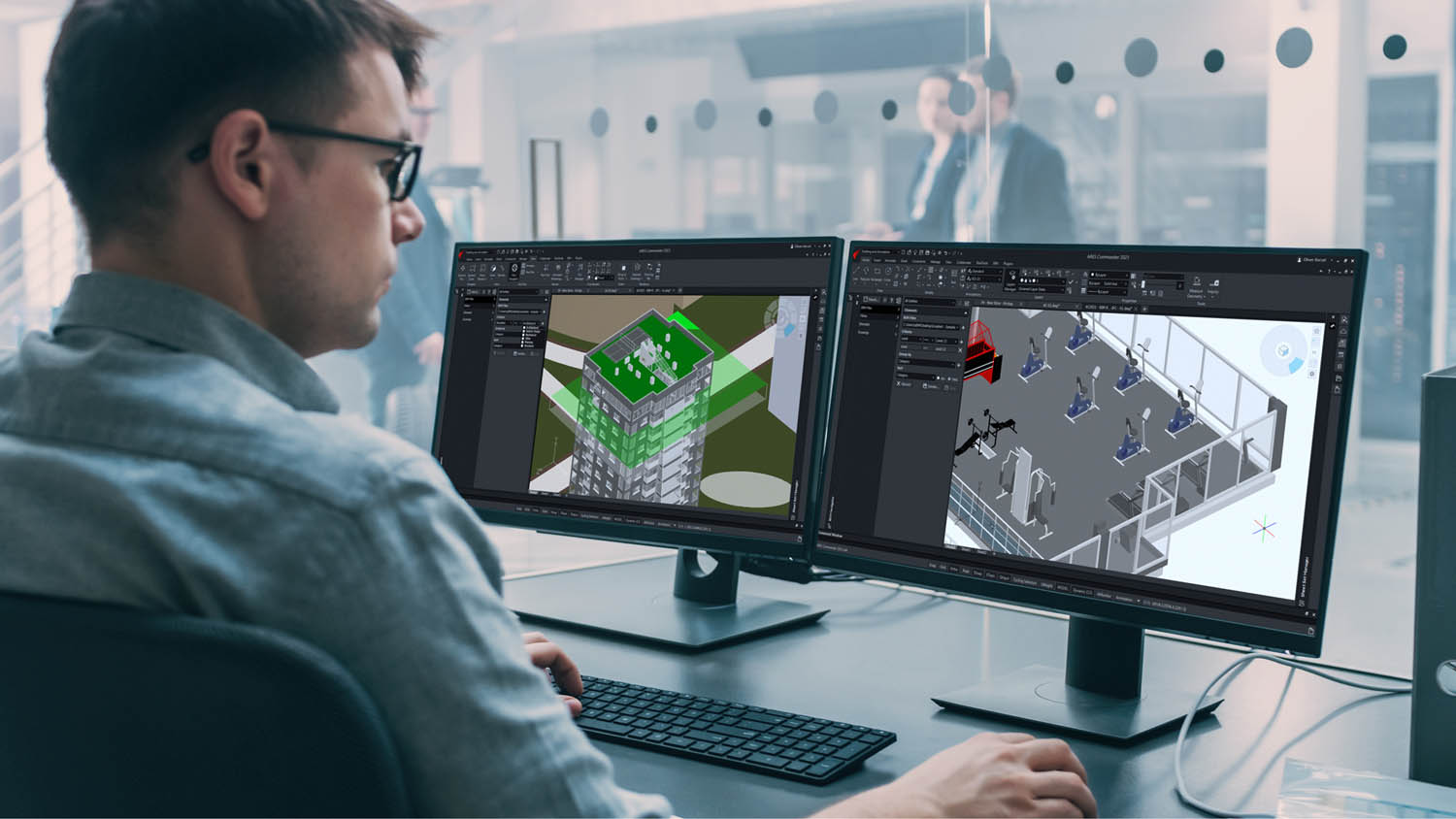
A senior mechanical engineer at a Midwest manufacturing firm spent three afternoons copying callout text from a 200-layer AutoCAD assembly into a spreadsheet so a translator could work on it — then two more days reinserting the output. Nearly a week of billable time, vaporized on clerical work. Multiply that across 40 drawings headed to a fabrication partner in Vietnam, and the problem stops being anecdotal. Engineering drawing translation done wrong drains productivity and introduces errors that ripple into procurement, fabrication, and on-site assembly.
Why Engineering Drawings Break Standard Translation Workflows
Standard document translation is linear. You send a Word file, a translator works paragraph by paragraph, you get a translated file back. Engineering drawings don't cooperate. Text is scattered across dimensions, annotations, title blocks, BOM tables, weld symbols, and layer names — all embedded in a binary format that was never designed with translation in mind. The DWG format stores each text string as a discrete object with an insertion point, rotation angle, and text height. Pull those strings out manually and you face a round-trip nightmare: getting translated text back in without corrupting alignment, overflowing bounding boxes, or breaking linked attributes. SolidWorks .slddrw files add another layer — text linked to model parameters can break parametric relationships that drive entire assemblies if altered carelessly.
What Getting It Wrong Actually Costs
The American Society of Mechanical Engineers found in 2025 that formatting errors in translated CAD documentation contribute to roughly 35% of delays in international engineering collaborations. A MIT engineering study showed 65% of technical translation errors trace back to missing domain knowledge — "bearing" means something entirely different to a mechanical engineer than to a logistics coordinator. A Boeing project manager shared that a mistranslated hydraulic specification in a supplier manual caused a two-week production shutdown. The International Journal of Engineering Education reports translation errors are behind roughly half of all cross-border prototype failures. When a drawing controls part fabrication, there is no such thing as a minor wording mistake.
The Right Approach: Translate Inside the File
Modern CAD-aware workflows eliminate the extract-and-paste step by working directly inside the native format. The translator sees the drawing alongside the translation interface, preserving spatial context and verifying text fits within annotation boundaries. A proper workflow runs four stages: pre-translation analysis scans for linked parameters and XREF dependencies; subject-matter translators work with the drawing visible while translation memory ensures consistency across drawing sets; a second engineer-linguist reviews every element for technical fidelity — torque specs, material grades, GD&T callouts; finally, the file is opened in the native CAD application to verify every element renders correctly. Firms using this approach report cutting localization costs by 25-40%, per Gartner's 2025 analysis. Siemens' turbine division documented a 50% error-rate reduction after adopting in-file methods for Asian market documentation.
How to Vet a Provider in Five Minutes
Skip the marketing and ask three direct questions. First: "Show me a translated DWG you've delivered next to the original." Check alignment and whether it looks production-ready. Second: "Who specifically would translate our drawings, and what's their engineering background?" The answer should name actual qualifications — a mechanical engineering degree, industry experience, platform familiarity. Third: "What's your round-trip process for SolidWorks files with parametric links?" If they don't know what a parametric link is, move on. The language services market hit $76.23 billion in 2025, per Fortune Business Insights, driven by specialized technical work — not generic translation. The providers worth your time have built dedicated engineering workflows.
The Bigger Picture
Global manufacturing output grew at 2.8% in 2025, with supply chains becoming more distributed. BIM adoption crossed 72% of commercial construction projects. Every cross-border BIM model, fabrication drawing, and as-built document needs translation at some point. The global construction industry was a $15.78 trillion market in 2024 — and firms that treat drawing translation as a strategic capability bid faster and spend less engineering time on non-engineering tasks.
For teams managing complex multilingual engineering documentation, the difference between a smooth handoff and a costly rework cycle often comes down to whether the translator understood what they were looking at. Artlangs Translation operates across 230+ languages, with years of specialized experience spanning translation services, video localization, short-drama subtitling, game localization, multilingual audiobook dubbing, and multilingual data annotation and transcription. That breadth matters — engineering firms rarely need just drawing translation. They need a partner who handles technical manuals, training videos, compliance documentation, and supplier communications in the same language pairs, with the same quality standards, across the full project lifecycle.