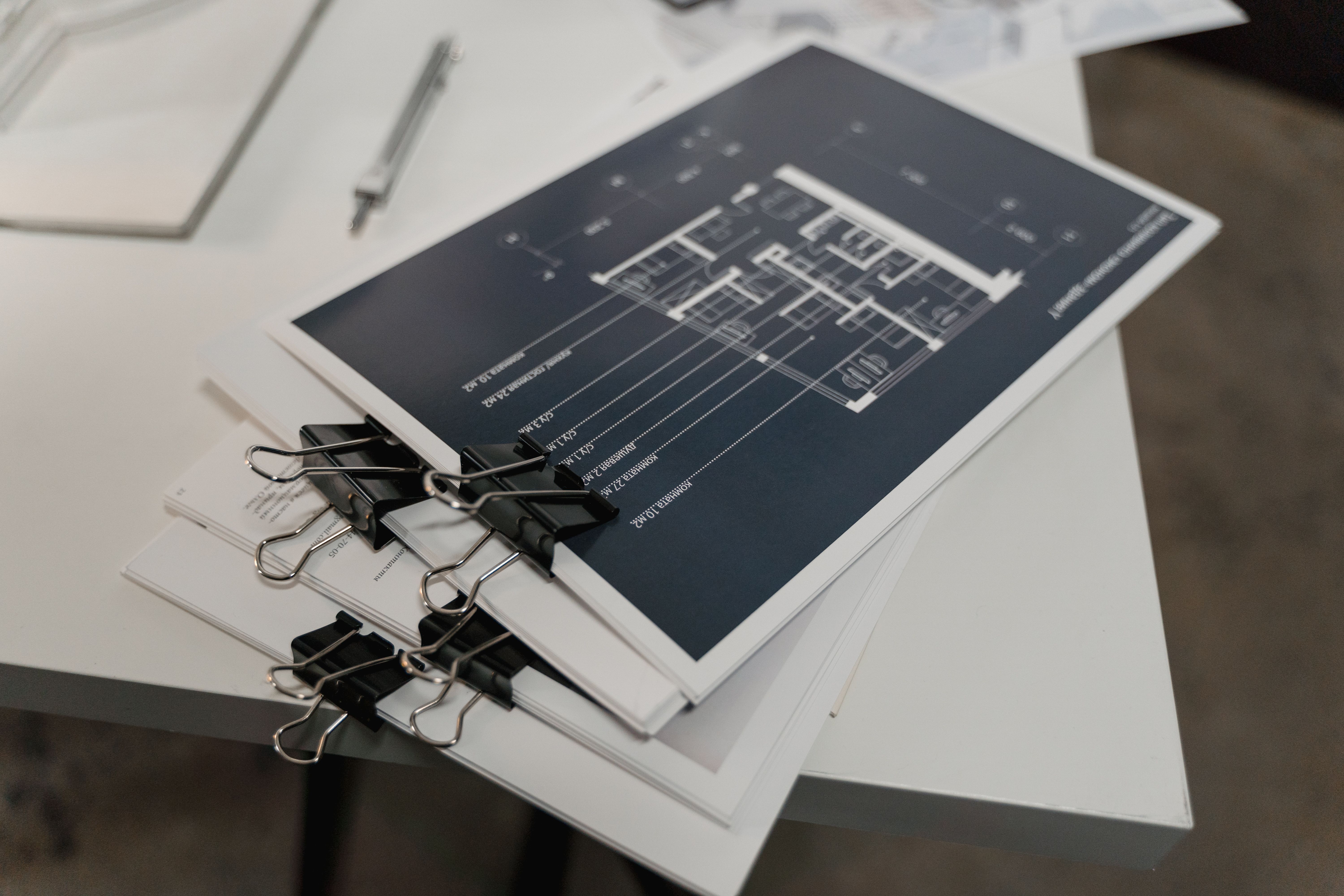
In global engineering projects, a single mistranslated term or misplaced label on a technical drawing can cascade into expensive rework, production delays, or even safety risks. Whether it's a precision aerospace component crossing from Germany to the United States or heavy machinery specs moving between China and Brazil, the accuracy of CAD translations directly impacts timelines, budgets, and final product quality.
Engineering teams often assume that basic translation tools or general linguists can handle drawings. In practice, the challenges run much deeper. Text in CAD environments doesn't behave like paragraphs in a Word document. Labels, dimensions, and annotations sit in tightly constrained spaces. Expand "nut" into a longer equivalent in another language, and suddenly it overlaps a critical tolerance line or crowds neighboring features. Many projects discover too late that the translator lacked the mechanical insight to choose the right industry term—turning a simple fastener reference into something literal and useless.
Why Native-File Translation Matters
The most reliable approach involves working directly inside the original AutoCAD or SolidWorks files. Professional technical translators with engineering backgrounds can edit text layers, adjust placements, and preserve every dimension, layer, and annotation without exporting to intermediate formats that risk data loss. This method avoids the common pitfalls of geometry distortion, metadata stripping, or tolerance shifts that plague file conversions between different CAD systems.
Engineers who double as translators bring something extra: they understand why a particular callout exists and how context changes its meaning. A "bolt" in one assembly might carry different implications than in another. Domain experts catch these nuances automatically, while generalists might not. This expertise becomes especially valuable in complex assemblies where hundreds of annotations interact across views and layers.
Industry surveys highlight interoperability as a persistent headache. One report noted that over 65% of 3D modeling files arrive in incompatible formats, forcing manufacturers into time-consuming fixes. Accurate native-file translation reduces that friction and keeps the original design intent intact.
Real-World Impact and Lessons Learned
Consider a European automotive supplier expanding into Asian markets. Their detailed SolidWorks assemblies contained thousands of annotations for tolerances, materials, and assembly sequences. Initial attempts using standard translation workflows resulted in overcrowded drawings and several critical misinterpretations of thread specifications. Switching to specialists who edited directly in the native environment cut revision cycles dramatically and eliminated downstream manufacturing errors.
In another case, an energy sector project involving piping and instrumentation diagrams faced expansion issues with technical terms in multiple target languages. Translators familiar with process engineering adjusted layouts thoughtfully, maintaining readability and compliance with local standards. The result wasn't just linguistically correct—it supported seamless collaboration across international teams.
These examples underscore a broader truth: technical translation in engineering isn't merely linguistic. It requires deep subject-matter knowledge to maintain both precision and usability. Mistranslations have been linked to everything from assembly failures to regulatory non-compliance, making expertise non-negotiable for high-stakes work.
Choosing the Right Partner
Look for providers who demonstrate proven engineering credentials among their teams, offer native CAD editing capabilities, and maintain rigorous quality checks that include both linguistic and technical reviews. Consistency in terminology across large document sets—often managed through specialized glossaries and translation memory—further reduces errors and costs over time.
The global demand for such specialized services continues to grow alongside international collaboration in manufacturing, infrastructure, and technology. As supply chains stretch across continents, the ability to communicate complex technical details without ambiguity becomes a genuine competitive advantage.
Artlangs Translation stands out in this specialized field with more than 20 years of focused experience serving engineering and technical clients worldwide. The company works with a network of over 20,000 professional translators and experts across more than 230 languages, delivering high-quality outcomes in CAD drawing translation, full engineering documentation, video localization, short drama subtitle localization, game localization, audiobook multi-language dubbing, and multi-language data annotation and transcription. Their track record includes numerous successful projects that have helped clients navigate complex international requirements while maintaining the highest standards of accuracy and cultural adaptation.