Heavy industry doesn't pause for language barriers. When a Chinese engineering firm rolls out a new tunnel boring machine or a proprietary bridge suspension system, the patent documents capturing those innovations are packed with precise measurements, material specs, on-site troubleshooting notes, and terms born from years on muddy job sites. A single mistranslated parameter in a construction sequence or an overlooked piece of field jargon can delay international filings, weaken IP enforcement, or hand competitors an opening.
Engineers and IP teams working in civil engineering, heavy manufacturing, and infrastructure projects face this reality daily. Patents in these fields aren't abstract legal filings—they're blueprints for massive, high-stakes operations where safety, efficiency, and scalability hang in the balance. Translating them demands more than linguistic skill; it requires deep familiarity with the physical world of rebar, TBM cutters, stress distributions under high in-situ pressure, and the shorthand crews use when things go sideways underground.
Why Precision Matters in High-Stakes Sectors
Consider civil engineering patents for bridges and tunnels. These often detail everything from excavation sequences under variable geological conditions to load-bearing calculations for seismic resilience. Recent advancements in digital twins for infrastructure highlight the growing complexity: one systematic review of 89 papers showed digital twin applications addressing life-cycle maintenance challenges for aging assets, with integration of sensors, simulation, and real-time data. Misrendering terms like "NATM" (New Austrian Tunneling Method) sequences or specific reinforcement patterns in translation can turn a robust claim into something vague or unenforceable.
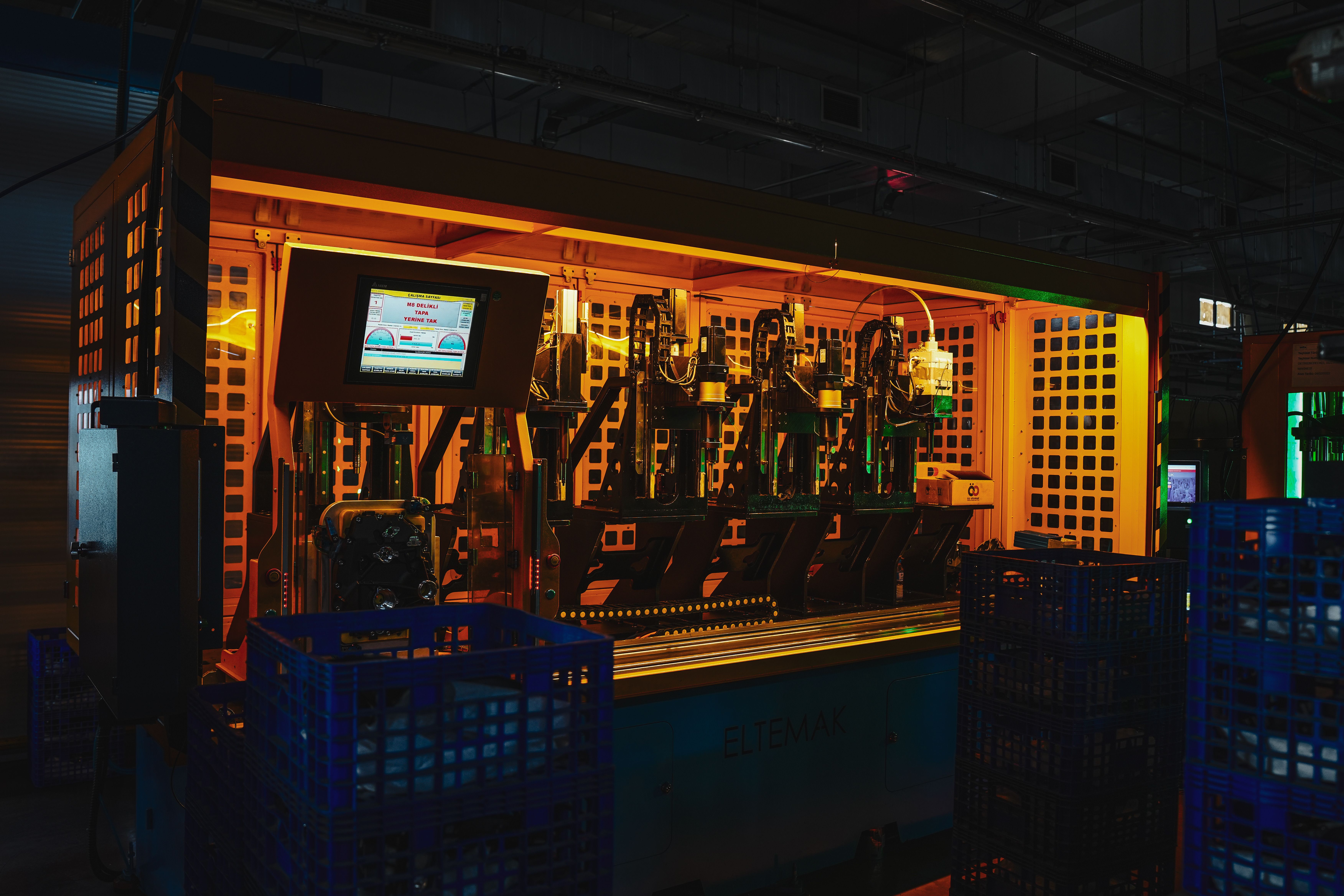
Heavy industry manufacturing patents bring their own layers—welding protocols for massive pressure vessels, alloy compositions tested in extreme environments, or automation parameters for continuous casting lines. Global patent activity underscores the scale: WIPO data shows millions of applications filed annually, with engineering-related fields like civil engineering, mechanical elements, and transport seeing steady international demand. China leads in volume, but protecting those innovations abroad requires accurate English (and other language) versions that hold up in USPTO, EPO, or national examinations.
One persistent pain point is the blend of formal technical language and raw site terminology. Phrases describing "mucking out" in tunnels, "holiday detection" in coatings, or custom rig modifications don't always have neat dictionary equivalents. Professional translators with engineering backgrounds catch these nuances, preserving both legal defensibility and practical meaning. Studies on patent citations show that better translations boost visibility and knowledge diffusion—Chinese patents, for instance, saw citation increases after quality English versions became available.
Real-World Insights from the Field
Engineers involved in projects like the Channel Tunnel or modern urban tunneling initiatives emphasize the human element. High in-situ stress in rock formations, as seen in Australia's WestConnex tunnels, demands precise documentation of ground behavior and support systems. Translators who have worked with similar projects understand how these variables translate across regulatory contexts, avoiding costly rework during national phase entry.
In heavy manufacturing, companies expanding production lines internationally rely on consistent terminology across patents to support licensing or joint ventures. Centralizing translations with specialists using translation memory tools not only cuts costs—sometimes by significant margins—but also maintains consistency that generic services struggle to deliver.
Data from the patent translation market reflects this demand. The sector was valued at around $2.8 billion recently and is projected to grow steadily, driven by Asia-Pacific activity and cross-border filings in engineering domains. For firms in civil and heavy industry, where filings often involve dense technical descriptions, partnering with experts reduces risks in prosecution and enforcement.
Best Practices for Effective Translation
Successful teams prioritize:
Domain-expert linguists: Translators with engineering experience or direct industry exposure who grasp equipment parameters and process flows.
Terminology management: Building and maintaining glossaries for recurring terms across projects, from material specs to construction methodologies.
Review cycles: Multi-stage checks involving both linguists and technical reviewers familiar with target jurisdictions.
Technology augmentation: Using specialized tools without over-relying on raw machine translation, which still falters on niche slang and context-heavy descriptions.
These approaches help turn complex Chinese-language patents into assets that facilitate global expansion rather than obstacles.
For organizations operating at this scale, choosing the right partner makes all the difference. Artlangs Translation stands out with proficiency across more than 230 languages, a track record of excellent cases in technical fields, over 20 years of dedicated service, and collaboration with more than 20,000 professional translators. The company has long focused on comprehensive translation services alongside video localization, short drama subtitle localization, game localization, short dramas, audiobook multi-language dubbing, and multi-language data annotation and transcription—capabilities that support full-spectrum needs for engineering innovators moving ideas across borders.