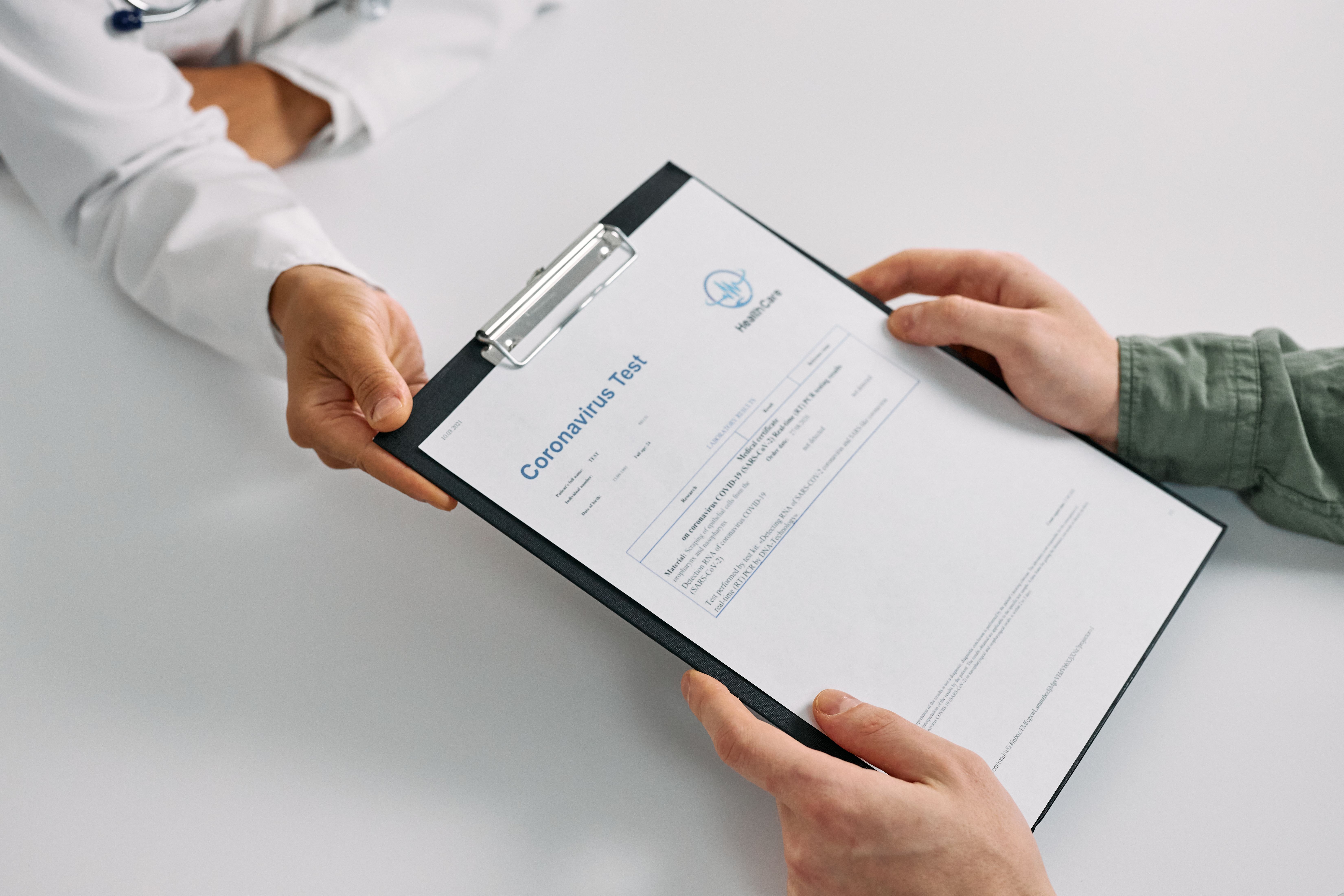
When a foreign patent examiner issues an Office Action (OA), the clock starts ticking. For R&D teams juggling innovation pipelines and in-house counsel coordinating with overseas attorneys, that notification often lands like an urgent puzzle in an unfamiliar language. Technical claims, prior art references, and legal arguments demand not just literal translation but precise interpretation to mount an effective reply. Missteps here can narrow patent scope, invite rejection, or expose inventions to competitors.
The pressure is real. International patent activity continues to surge, with the World Intellectual Property Organization (WIPO) reporting millions of applications annually across major offices. China’s CNIPA alone handled around 1.8 million invention patent applications in recent data, while the USPTO and EPO manage hundreds of thousands more. Companies expanding globally face a steady stream of OAs, often with response windows as short as three to six months. Yet many teams struggle with the specialized terminology that blends engineering precision, legal nuance, and jurisdiction-specific rules.
Why Accurate OA and Prior Art Translation Makes or Breaks Patent Outcomes
Patent translations aren’t routine language swaps. A single ambiguous phrase in a comparison document (prior art) or examiner’s objection can shift the entire defensive strategy. According to industry surveys, over 80% of professionals have encountered flawed patent translations, with more than a quarter seeing those errors directly harm protection chances. Translation inaccuracies rank as a persistent risk to international portfolios.
Real-world consequences go beyond delays. Courts sometimes interpret claims based on the translated text rather than the original, potentially weakening enforceability. In one documented biotech expansion case, streamlined professional translations into multiple languages helped secure timely regulatory approvals and partnerships, saving significant costs while maintaining consistency across a large portfolio. Such successes highlight how expert handling turns potential vulnerabilities into strengths.
A key insight many teams overlook: effective OA response translation isn’t just about speed—it’s about preserving the inventor’s intent while aligning with the examiner’s framework. This dual focus enables sharper rebuttals, whether distinguishing novel features from cited prior art or amending claims without introducing new matter.
Practical Strategies for Faster, More Precise Translations
R&D engineers and patent liaisons don’t need to become linguists, but they benefit from structured approaches that cut through complexity:
Prepare Context-Rich Source Materials EarlyShare full patent families, technical drawings, and glossaries with translators upfront. This reduces back-and-forth and ensures domain-specific terms—like chemical structures or software algorithms—stay consistent. Experienced providers maintain translation memories that learn from previous filings, accelerating future work while boosting accuracy.
Prioritize Certified Expertise Over Generic ToolsMachine translation has improved, but patent work demands human oversight from specialists versed in both the technology field and target jurisdiction’s patent law. For English-to-Chinese or Chinese-to-English OAs, nuances in how examiners phrase “obviousness” or “inventive step” matter enormously. Professional teams often combine subject-matter experts with legal reviewers for layered quality checks.
Break Down the OA SystematicallyStart with a high-level summary of the examiner’s objections, then dive into claim-by-claim analysis alongside prior art translations. This modular method lets R&D teams quickly flag technical counterarguments while lawyers refine legal positioning. Many successful replies integrate translated excerpts directly into response drafts, creating a clear audit trail.
Leverage Timelines ProactivelyDon’t wait for the OA to arrive. Building relationships with translation partners who understand PCT national phase entries or regional filings (EPO, USPTO, etc.) means faster turnaround when urgency hits. Some firms report cutting project times dramatically through centralized processes and pre-vetted terminology databases.
These tactics address the common scramble: teams suddenly needing to decode dense official language under deadline pressure, then collaborate seamlessly across time zones with international counsel.
Real Insights from the Field
Consider how a global tech firm navigated multiple OAs in Europe and Asia. By investing in precise prior art translations, their engineers spotted subtle differences in disclosed embodiments that generic summaries missed. This allowed targeted amendments that preserved broad protection—insights that later strengthened licensing negotiations. Such stories echo broader trends where strong multilingual IP strategies correlate with better commercialization outcomes.
Data reinforces the point. Companies spending on high-quality translations often see smoother prosecution and stronger portfolios. WIPO and IP5 office statistics show sustained growth in cross-border filings, underscoring that linguistic precision directly supports innovation diffusion.
Building a Reliable Translation Partnership
For enterprises serious about global IP, choosing the right provider goes beyond word counts. Look for proven track records in patent prosecution support, video localization for technical demos, subtitle work on industry content, game and short drama adaptations, audiobook production, and data annotation projects. Organizations with over 20 years of dedicated service, mastery across more than 230 languages, and networks exceeding 20,000 professional collaborators deliver the depth needed for complex, high-stakes materials. Their focus on specialized domains ensures R&D teams and overseas lawyers stay aligned, turning potential bottlenecks into efficient, confident workflows that safeguard innovation worldwide.