A German buyer unboxes a new smart thermostat. The app screen says “Raumtemperatur anpassen.” The printed manual, still carrying the original English-to-German pass, tells him to “adjust the room climate setting.” He spends ten minutes hunting for a menu that does not exist. Support tickets spike. Returns climb. The same product later faces a RAPEX notice in the EU because the residual-risk warning about overheating failed to use the precise phrasing expected under the Low Voltage and Radio Equipment Directives.
These mismatches are not rare. They are the daily reality for AIoT hardware teams shipping into North America and Europe.
The two friction points that cost the most
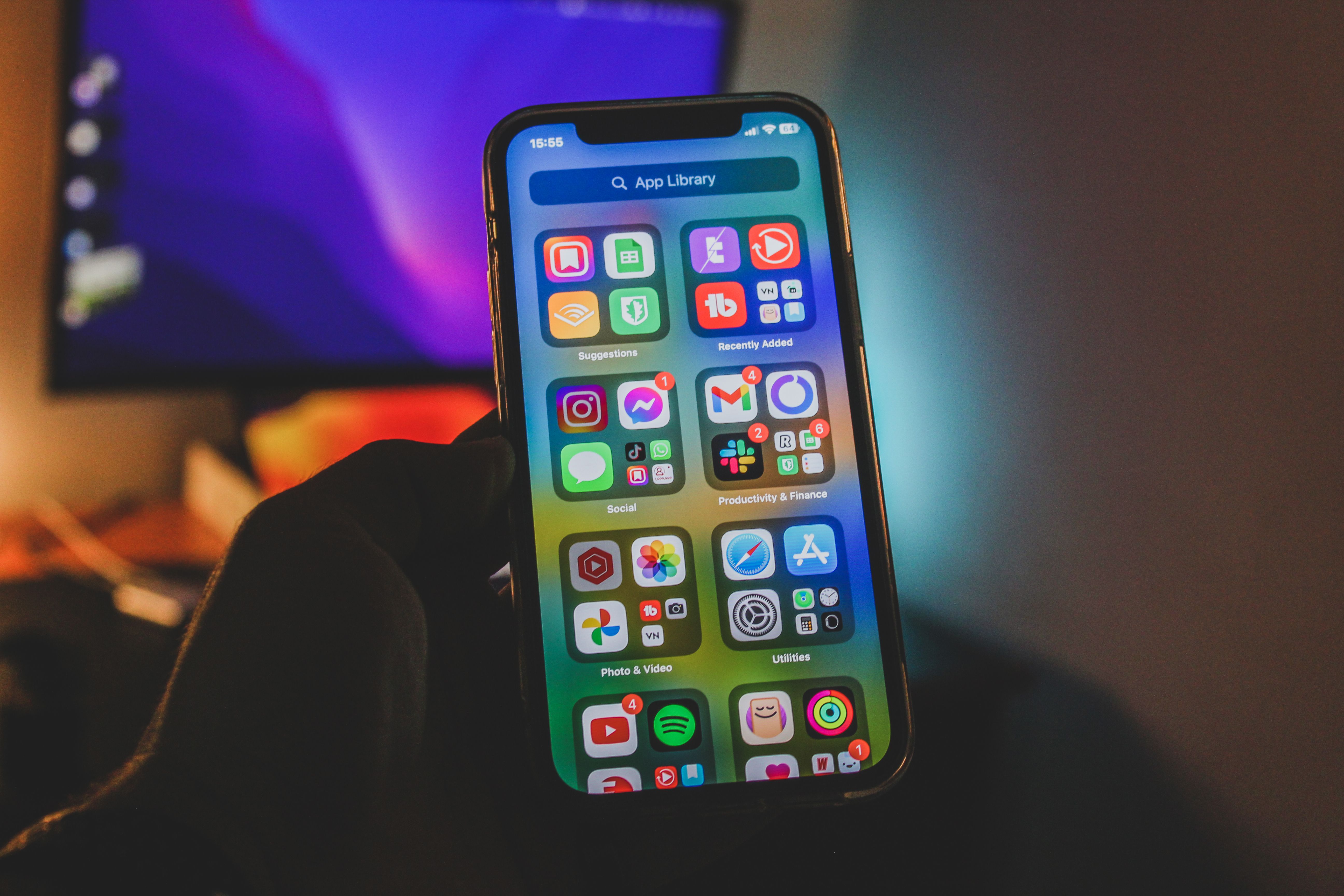
First, UI strings and manual text drift apart. Product teams freeze the interface late. Firmware updates change a button label after the documentation team has already locked the PDF. Translators working on the manual never see the final string list, or they receive an outdated glossary. The result is a user who cannot follow the steps because the words on the page do not match the words on the screen. Studies of technical documentation consistently show that terminology inconsistency is one of the top causes of user frustration and support load. In regulated categories the problem compounds: a safety instruction that refers to a non-existent menu item can itself become a compliance defect.
Second, safety warnings often fail local legal tests. For the EU, the Radio Equipment Directive, Low Voltage Directive, EMC Directive and the newer General Product Safety Regulation all require instructions and residual-risk information in a language easily understood by the end user in the Member State of sale. The wording is not free-form. It must reflect the risk assessment in the technical file, use clear hierarchy (danger / warning / caution), and appear in the instructions that accompany the product. Simplified Declarations of Conformity are frequently placed inside the manual or linked from it. An English-only booklet is not enough once the device is placed on the German, French or Polish market.
In the United States the Federal Communications Commission requires that radio-frequency devices carry specific user information. Electronic labeling is permitted under certain conditions, but the operating instructions or packaging inserts must still tell the user how to access the FCC ID and any required statements. Recent rule-making around IoT cybersecurity labeling (the U.S. Cyber Trust Mark) further raises the bar for clear consumer-facing security information. A warning written for CE markets rarely satisfies FCC expectations without deliberate adaptation.
What works in practice
Successful teams treat the UI string list as a living source of truth and keep the manual in continuous sync with it. A shared terminology database, updated whenever the firmware changes, prevents the classic “Volume” versus “Size” or “Menge” versus “Volumen” mismatch. Linguistic QA that includes side-by-side screenshots of the actual device interface catches expansion problems early—German and Finnish routinely need 30 percent more space, and some short English labels expand by 100 percent or more.
On the compliance side, native-speaking legal linguists review the safety sections against the relevant directives and standards (EN 62368-1, RED, GPSR requirements for instructions, FCC Part 15 user information). They do not simply translate; they rewrite so that the warning language matches local market-surveillance expectations. Pictograms are preferred where standards allow, but the accompanying text still has to be correct.
Real-world scale is possible. Consumer-electronics manufacturers that ship dozens of languages for every major release routinely deliver synchronized manuals in under two months by combining centralized terminology management with in-country reviewers who also check regulatory phrasing. The same discipline applies to wearables seeking CE marking or smart-home hubs that must clear both CE and FCC.
Market pressure makes the gap more expensive
Global smart-home revenue is measured in the low hundreds of billions of dollars and continues to grow at high single-digit to low double-digit rates depending on the research house. Every new market entry multiplies the language count and the regulatory checklist. A single rejected shipment or a product recall triggered by non-compliant instructions erases the margin on thousands of units.
Manufacturers that treat the multilingual manual as an afterthought pay twice: once in delayed certification and again in customer support and reputation. Those that treat it as an integral part of the technical file—aligned UI, precise safety language, market-specific legal review—move faster and face fewer surprises at customs or during post-market surveillance.
Artlangs Translation has spent more than twenty years refining exactly this kind of specialized work. With coverage across 230-plus languages and a network of more than 20,000 professional linguists, the company has built a track record in technical documentation, regulatory wording, and full localization pipelines. Beyond printed and digital manuals, its teams handle video localization, short-drama subtitle localization, game localization, multilingual audiobook dubbing, and large-scale data annotation and transcription. That combination of depth in regulated content and breadth across media gives hardware makers a single partner capable of keeping every touchpoint—screen, booklet, packaging insert, and support video—consistent and compliant from the first shipment onward.