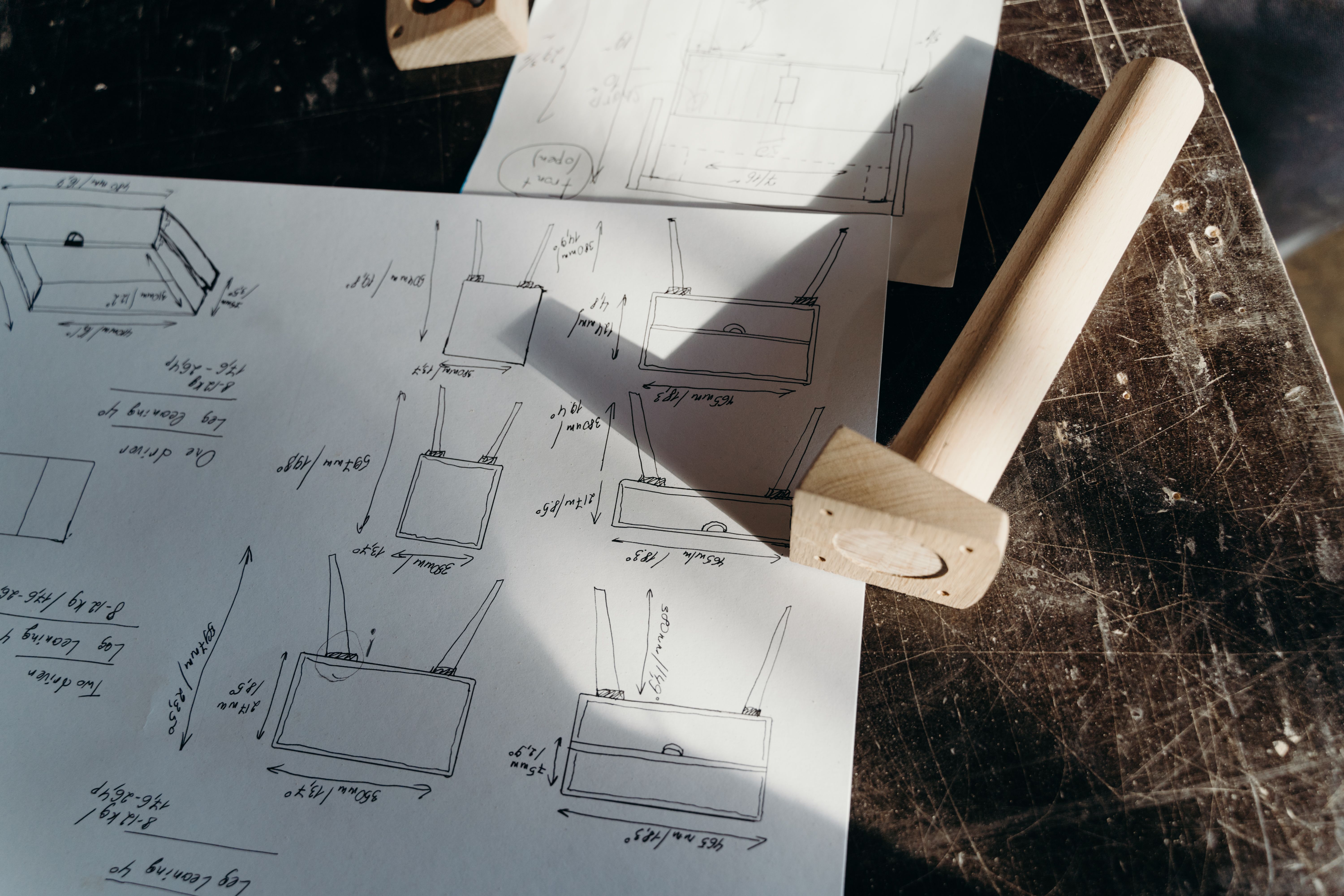
Industrial design protection hinges on more than clear drawings. The short written elements that travel with those images—the product indication, any brief description of characteristic features, and the names given to parts or views—often decide whether a Hague designation or national application moves forward smoothly or draws objections.
WIPO data shows the scale of the challenge. In 2025 the Hague System handled 10,344 international applications containing a record 28,588 designs. China led with 5,911 designs, followed by Germany and the United States. English accounted for 93.3 percent of filings. One application can reach nearly 100 countries, yet the textual portion remains subject to each office’s local standards once the registration is designated.
Those standards differ in emphasis even when the core demand is the same: language that is concise, accurate, and tightly mapped to the visual disclosure.
Under the Hague Agreement itself the international application is filed in English, French or Spanish. A description is optional at the international stage. When included it must address only features visible in the reproductions and may not discuss technical function or use. Exceeding 100 words triggers an additional fee. Several examining offices, however, treat an absent or vague description as grounds for refusal or require one under their national law.
United States practice treats the drawings as the primary disclosure. The formal claim typically reads “the ornamental design for [the article] as shown and described.” Figure descriptions that simply identify the views help examination and can prevent later questions about scope or enablement. Language that blurs the line between ornamental appearance and functional features risks objections under 35 U.S.C. 112 or 171. Broken lines and shading already carry legal meaning; the accompanying text should respect those conventions without interpretive expansion.
European Union practice at the EUIPO centers on overall impression and individual character. Descriptions stay short and factual. Over-explaining a feature or introducing language that shifts emphasis across the official languages of the Union can create inconsistencies that later surface in validity proceedings. The text is meant to clarify, not to claim novelty or technical advantage.
China’s CNIPA frequently requires a brief description that states the product name and use, identifies the design points (the characteristic features that distinguish the design), and designates the most representative view. Analyses of refusal notices issued against Hague designations into China show that failure to clearly indicate those design points ranks among the more common grounds. Generic restatements of function or product use without isolating the visual features often trigger office actions. Part names must align with established Chinese terminology; overly literal renderings of foreign component names can produce the same result.
Japanese examination emphasizes the aesthetic impression perceived “through the eye.” Consistent terminology between the product indication, legends, and any description matters. Examiners notice when a translation fails to reflect the intended visual hierarchy or introduces terms that do not match domestic practice.
Across these offices the practical requirement is identical: every word should map cleanly to the drawings, and nothing extraneous should dilute the claim. Machine translation or generalist rendering of part names and brief descriptions frequently produces phrasing that sounds natural in the source language but fails local tests of clarity or statutory compliance.
Applicants who treat the textual elements with the same care given to the images reduce the risk of partial refusals, narrowed scope, or costly amendments after the international registration has already been published. The most effective approach is to draft or revise those short passages with the destination offices in mind from the outset rather than relying on post-filing translation alone.
Artlangs Translation supports this work with expertise across more than 230 languages, more than 20 years of specialized service experience, and a network of over 20,000 professional translators. The company has built a substantial body of successful cases in patent and technical translation while also providing video localization, short-drama subtitle localization, game localization, multilingual dubbing for short dramas and audiobooks, and multilingual data annotation and transcription.