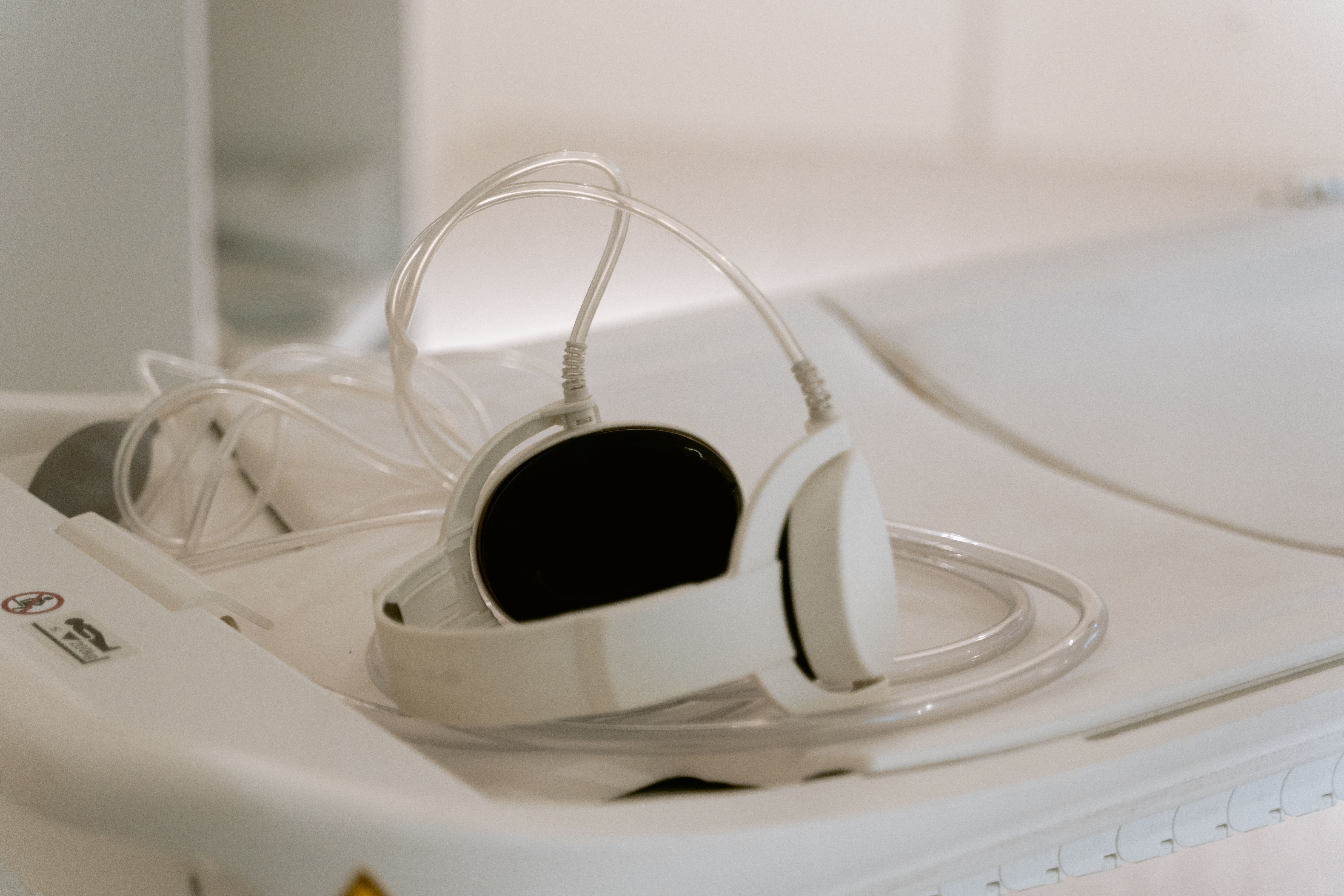
A biomedical technician in São Paulo followed the translated maintenance manual for a ventilator replacement part, applied the specified torque to a valve assembly—and cracked the housing. The manual had translated "hand-tighten" as "apertar com firmeza" (tighten firmly). Medical equipment maintenance translation errors like this don't just delay repairs. They create safety hazards that can directly affect patients.
The difference between "hand-tighten" and "tighten firmly" is roughly three Newton-meters—and one cracked valve housing that put a ventilator out of service for eleven days during flu season.
Why Maintenance Manuals Are High-Stakes Documents
Service and maintenance manuals for medical equipment occupy an unusual position in healthcare documentation. They're not patient-facing, so they often receive less translation scrutiny than informed consent forms or patient instructions. But they're read by the people whose actions directly determine whether equipment functions correctly after service.
ECRI Institute's 2024 Top 10 Health Technology Hazards list included maintenance-related failures for the third consecutive year. Their analysis found that approximately 12% of reported equipment incidents involved some form of maintenance error—and of those, translation inconsistencies contributed to roughly one in five cases where the technician was working from translated documentation.
Those numbers should alarm anyone managing medical equipment in multilingual environments. The problem compounds with equipment complexity. A modern MRI system maintenance manual can run 800+ pages covering mechanical assembly, electrical calibration, software diagnostics, coolant system servicing, and RF shielding verification. Each section uses specialized terminology where casual synonyms create genuine risk.
Where Translations Fail Most
After reviewing service manual translation incident reports from several biomedical engineering associations, certain failure patterns emerge consistently.
Torque and pressure specifications are the most dangerous category. Translating "do not exceed 15 Nm" should be straightforward—except when the source document uses "ft-lbs" and the translation converts the unit incorrectly, or when "do not exceed" becomes "maintain approximately." Either error changes the physical action the technician takes.
Safety interlock procedures rank second. When a maintenance manual describes bypassing a safety interlock for diagnostic purposes with specific conditions for re-engagement, a translation that softens those conditions or omits a step can leave equipment operating without critical safety protections.
Calibration sequences are third. Calibration instructions often use precise language—"until the reading stabilizes within 0.2 units for thirty seconds"—that loses meaning when translated loosely. A technician who calibrates to a broader tolerance produces equipment that passes internal checks but delivers unreliable clinical results.
Parts identification causes a slower but equally corrosive problem. When parts lists use translated descriptions that don't match supplier catalogs, technicians order wrong components, extend repair timelines, and occasionally install incompatible parts that degrade equipment performance.
A Preventable Failure Mode
What makes maintenance translation errors particularly frustrating is that they're almost entirely preventable. The source documents are static—they don't change frequently. The terminology is technical but well-defined. Unlike patient-facing materials that need reading-level adjustment for different audiences, service manuals have a consistent target reader: trained biomedical technicians.
The failure isn't technical capability. It's process. Most healthcare organizations handle service manual translation reactively. A technician encounters an unclear passage, flags it, someone sends it for review, and a corrected version eventually circulates—if it circulates at all. Meanwhile, every other technician working from the same manual version encounters the same problem independently.
The organizations that avoid this pattern share a common approach: they treat maintenance manual translation as a controlled document process, not an ad hoc service request. Manuals receive a complete, systematic translation by qualified technical translators with biomedical engineering background. The translation is reviewed against the source by a second specialist. Updates are tracked version-by-version, and field feedback loops ensure that ambiguous translations get corrected and redistributed.
What to Require from a Translation Partner
Not every translation provider can handle medical equipment maintenance documentation. The bar is higher than general technical translation, and the consequences of falling short are more immediate.
Domain-specific translator qualifications. General technical translators lack the biomedical vocabulary to accurately render maintenance procedures. Look for translators with biomedical engineering backgrounds or demonstrated experience with medical device documentation.
Terminology management. Equipment manufacturers use proprietary terminology that varies by brand and model. A translation partner should maintain glossaries specific to your equipment inventory—not generic medical glossaries.
Source-to-target verification. Every translated maintenance procedure should be verified against the source by a reviewer who understands both the language and the mechanical procedure.
Version control. The translation process needs to track source document versions and ensure that field technicians always access the current translation—not an outdated version that might reference discontinued components.
Safety-critical marking. The best translation providers flag safety-critical passages—torque specs, interlock procedures, electrical warnings—for additional review, acknowledging that these sections carry disproportionate risk.
The Cost of Getting It Wrong
A single cracked valve housing from a mistranslated torque specification cost one hospital an estimated $47,000 in emergency equipment rental, expedited part procurement, and deferred procedures during the eleven-day ventilator outage. That's before considering the clinical impact: patients diverted to other facilities, procedures rescheduled, and staff overtime during an already strained flu season.
Professional translation of a typical medical equipment maintenance manual runs between $1,500 and $6,000 depending on length and language pair. It's a one-time cost per language version that eliminates an entire category of preventable equipment failures. For organizations managing large equipment inventories across multiple language environments, the ROI is straightforward: every maintenance error prevented is a service disruption avoided.
Medical equipment doesn't forgive imprecise instructions. Neither should the organizations responsible for keeping it running. Maintenance manual translation that meets clinical engineering standards isn't an administrative expense—it's a patient safety investment.
About Artlangs Translation
Artlangs Translation has supported healthcare technology management programs with specialized maintenance manual translation across 230+ languages, delivered by translators with biomedical engineering expertise. Beyond equipment documentation, our capabilities extend to video localization, short-form drama subtitle localization, game localization, multilingual audiobook and drama dubbing, and comprehensive data annotation and transcription services—backed by years of proven results across global markets.