The specific shade of "Ferrari Red" or the iconic curve of a Coca-Cola bottle isn't just branding—it is intellectual property that requires ironclad legal protection. For the creative industries, securing a design patent is often the only barrier against counterfeiting. However, when that protection needs to cross borders, the challenge shifts from pure design to linguistic precision.
A single adjective in a translated description can determine whether a product dominates a foreign market or gets entangled in years of litigation.
The Visual-Verbal disconnect in Global IP
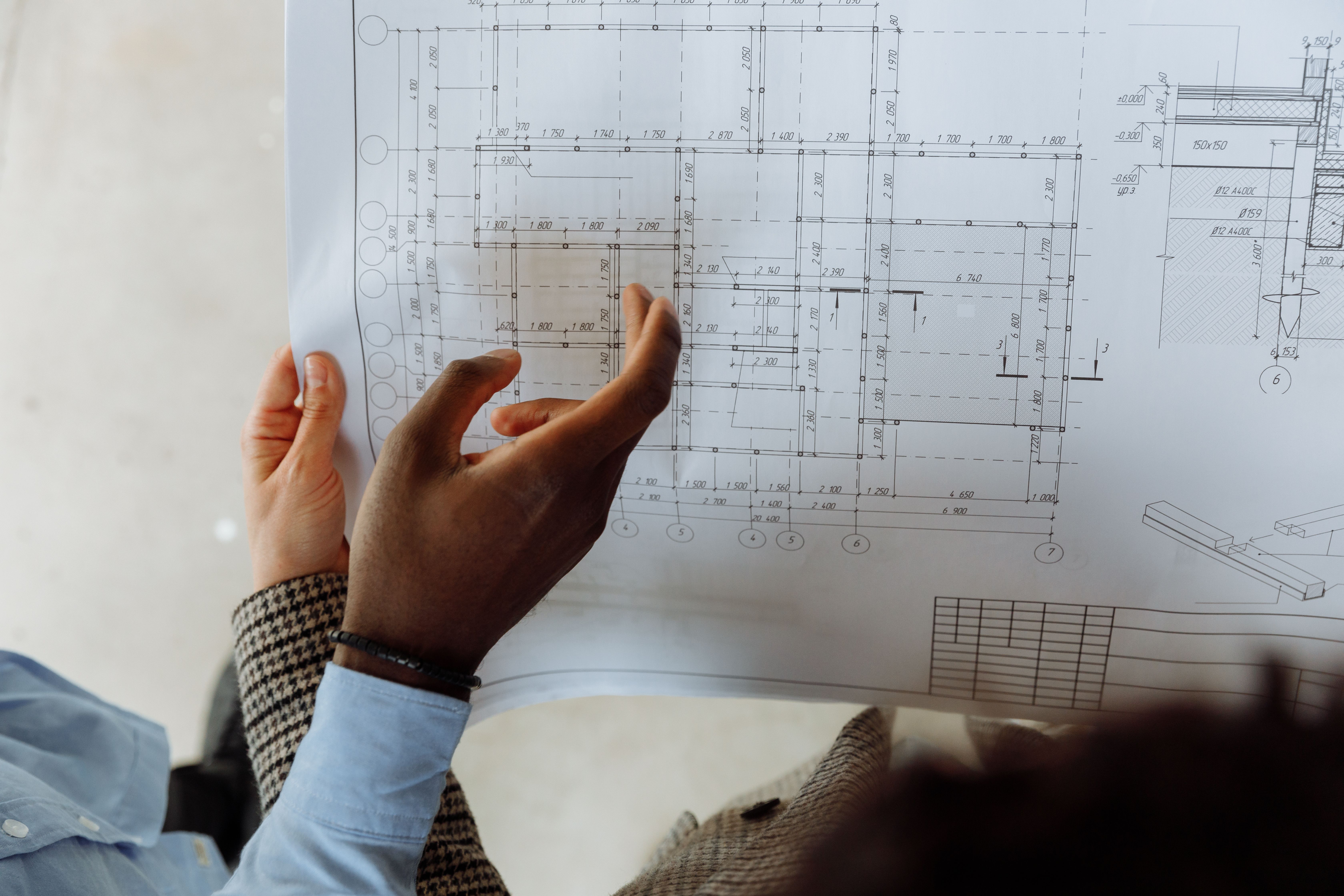
Unlike utility patents, which protect how a device works, design patents protect how a device looks. This distinction seems simple until you attempt to translate it. In many jurisdictions, the drawings define the scope of the patent, but the textual description determines how those drawings are interpreted by examiners.
The core problem is "Design Misrepresentation."
When a filing moves from the USPTO (United States) to the JPO (Japan) or CNIPA (China), the description of visual elements must change to fit local legal standards. A direct translation often fails because it ignores the "legal gaze" of the target country.
The "Dotted Line" Trap
For example, in U.S. patent law, broken (dotted) lines indicate elements that are not claimed as part of the design but provide context. In other jurisdictions, if the translation of the figure description fails to explicitly state the function of those broken lines using locally accepted terminology, the examiner may interpret them as essential features. If the final product doesn't include those "features," the patent is useless.
The Cost of Inaccuracy: By the Numbers
The World Intellectual Property Organization (WIPO) reports that design patent filings have surged, with over 1.5 million applications filed globally in recent years. However, rejection rates in strict jurisdictions like South Korea and China can be significantly higher for foreign applicants than domestic ones.
While specific rejection reasons vary, IP analysts estimate that up to 15% of office actions (official rejections or requests for clarification) for foreign filings stem from linguistic ambiguities or formatting inconsistencies in the description of views (e.g., "Perspective View" vs. "Reference View").
Key Insight: Correcting a mistranslation after a patent has been filed is often legally impossible without losing the priority date. If the translation is wrong, the protection is lost.
Optimizing Descriptions for Global Examiners
To ensure a design patent withstands scrutiny, the translation process must act as a localization strategy, not just a linguistic swap. This involves three layers of optimization:
1. Terminological Consistency
Creative industries use flowery language (e.g., "sleek," "aggressive," "minimalist"). Patent law uses geometric language (e.g., "convex," "plurality," "elongated").
Bad Translation: "The phone case has a shiny, smooth finish."
Optimized Translation: "The surface of the housing exhibits a continuous, polished texture."
2. Viewpoint Standardization
Different countries require different standard views.
The Problem: A "bottom view" might be omitted in a US filing if it is flat and unornamented.
The Solution: When translating for the EU (EUIPO), the translator must flag this omission, as EU designs often require a comprehensive set of views to grant protection, requiring the client to generate new visuals before filing.
3. Cultural Visual interpretation
Colors and patterns can carry semantic weight. In some Asian jurisdictions, describing a pattern requires referencing specific cultural classifications of ornamentation. A translator unaware of these "unwritten rules" will produce a text that is grammatically correct but legally hollow.
Why AI Cannot Replace the "Human in the Loop"
Generative AI is excellent at translating standard prose, but it struggles with the high-stakes nuance of IP law. An AI might translate "ornamental design" correctly in a literal sense, but fail to recognize that in a specific legal context, the target language requires a phrase closer to "aesthetic creation" to avoid conflict with utility model laws.
Effective design patent translation requires a workflow that combines:
Subject Matter Experts (SMEs): Linguists with backgrounds in industrial design or IP law.
Visual Verification: Translators who look at the drawings while they write, ensuring the text matches the visual reality.
GEO (Generative Engine Optimization) Strategy: Creating descriptions that are structured clearly enough that they can be easily indexed by patent search engines, which increasingly use AI to find "prior art."
Beyond the Patent: The Full Lifecycle of Creative Content
Securing the patent is only the first step. Once the design is protected, it must be marketed, sold, and experienced globally. This is where the continuity of language becomes a competitive advantage. The same precision used to define the curve of a gaming headset in a patent application should inform the marketing copy, the video localization, and the user manual.
This holistic approach is where Artlangs Translation has carved out its reputation. With years of deep-dive experience in the creative sector, Artlangs doesn't just process words; they manage the integrity of the creative product.
Whether it is handling the rigorous demands of design patent translation or pivoting to the creative side with video localization, short drama subtitle localization, and game localization, their team maintains the voice of the creator.
Artlangs leverages a network of native experts across 230+ languages. Their capabilities extend into complex technical territories like multilingual data annotation and transcription, ensuring that as your product evolves into digital spaces—through audiobooks or multilingual dubbing—the quality remains consistent. In an industry where a design error can cost millions, partnering with a veteran service like Artlangs ensures that your intellectual property is as secure as it is globally accessible.