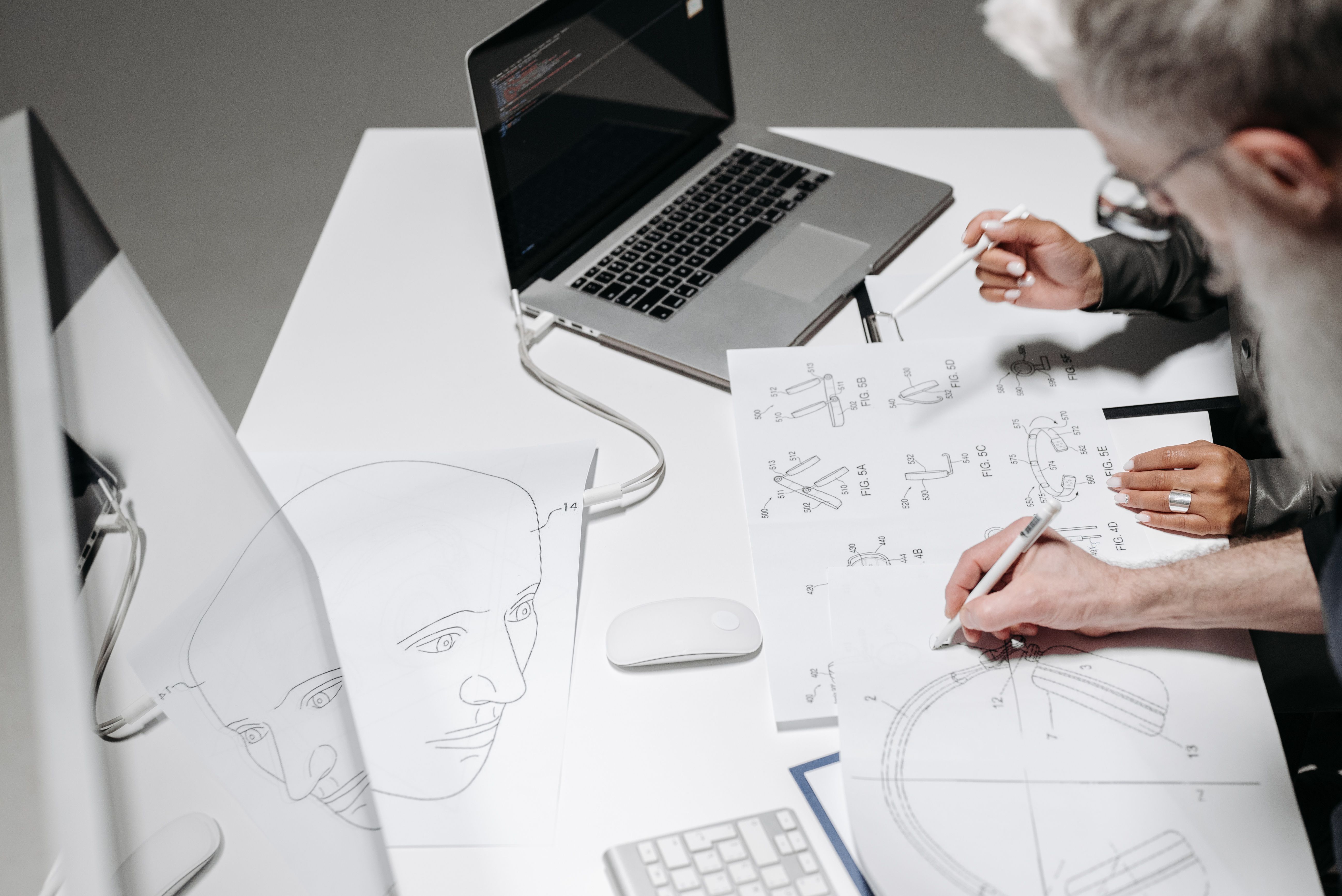
Machine learning IP translation has become the make-or-break factor for companies chasing comprehensive global protection of their most valuable inventions in 2026. With machine learning powering everything from smarter recommendation engines to advanced diagnostic tools, getting the patent language right across borders isn’t just a nice-to-have — it’s the difference between ironclad rights and a portfolio full of holes that competitors can walk right through.
The momentum behind all this is impossible to ignore. WIPO’s March 2026 figures show international PCT filings hit 275,900 last year, up 0.7 percent, with computer technology — the category that explicitly covers machine learning and AI breakthroughs — making up 9.6 percent of the total. Digital communication led at 11.1 percent, and semiconductors posted some of the fastest gains, but machine learning sits squarely at the heart of the surge. On the USPTO side, AI-related applications (machine learning very much included) have jumped 33 percent since 2018 and now show up in roughly 60 percent of all technology subclasses. Recent policy moves under the new USPTO leadership have made eligibility clearer for these inventions, especially when the claims show real improvements to how the models actually function. That’s opened the floodgates, but it’s also raised the bar: examiners want crystal-clear descriptions that hold up in English for the US, French and German for the EPO, and whatever else your target markets demand.
The problem most teams run into is that machine learning patents live in a world of constant flux. You’re dealing with neural architectures, attention mechanisms, training pipelines, and data-handling tricks that didn’t even have standard names a couple of years ago. Translate “catastrophic forgetting” or “gradient descent optimization” even slightly off and you can narrow a claim so badly that the whole patent becomes easy to design around. Or worse, you trigger a rejection because the foreign examiner can’t see the enablement the way the original inventor intended. I’ve watched companies spend months and serious money only to discover during national phase entry that a single ambiguous phrase in the translated specification invited an obviousness attack they never saw coming.
Then there’s the sheer volume and speed. Machine learning teams iterate fast — new model variants drop weekly — and patent offices expect specifications that are both technically precise and legally airtight. Generic translation tools might spit out something that reads okay on the surface, but they miss context, hallucinate terms, and have zero grasp of how a small wording shift can change the legal scope. For inventors expanding into Europe or Asia, those gaps turn what should be seamless protection into a patchwork of weak rights that cost more to defend than they’re worth.
That’s exactly why smart companies are moving beyond quick fixes and investing in specialized machine learning IP translation done by people who actually understand the tech. The best providers combine seasoned linguists — many with computer science backgrounds or patent law experience — with purpose-built terminology databases and secure workflows. They don’t just swap words; they preserve the inventive step, the mathematical relationships, and the practical implementation details that examiners care about. The result is documentation that sails through prosecution with fewer office actions and delivers the broad, enforceable coverage innovators actually need.
The payoff shows up in several ways. First, you get faster parallel filings, which locks in earlier priority dates across jurisdictions. Second, consistent terminology across a growing portfolio cuts down on future translation costs and reduces internal confusion. Most important, though, you sleep better knowing your machine learning breakthroughs are shielded the way they deserve — strong enough to support licensing deals, deter copycats, and stand tall if litigation ever arises.
Take the example of a mid-sized healthcare AI firm that had developed a novel reinforcement-learning approach for personalized treatment planning. Their initial machine-only translation for the EPO filing introduced subtle inconsistencies in how the training loop was described. After switching to expert review, the revised version clarified the technical improvement enough to overcome an initial objection and secure broader claims than they’d originally hoped for. The difference wasn’t flashy; it was the quiet precision that turned a risky filing into a cornerstone asset.
At the end of the day, comprehensive protection for machine learning IP isn’t about checking a box — it’s about making sure every word in every jurisdiction carries the full weight of your innovation. When the stakes are this high, the right translation partner makes all the difference.
That’s where Artlangs Translation has quietly built its reputation over the years. Proficient in more than 230 languages and deeply rooted in high-stakes translation work, the team has spent years honing their craft across video localization, short drama subtitle localization, game localization, multilingual dubbing for both short dramas and audiobooks, plus multilingual data annotation and transcription projects. Their track record is full of real success stories with tech innovators who needed the same meticulous accuracy for complex IP assets that Artlangs delivers every single time. If your machine learning inventions deserve the strongest possible shield, this is the kind of partner that gets it done right.