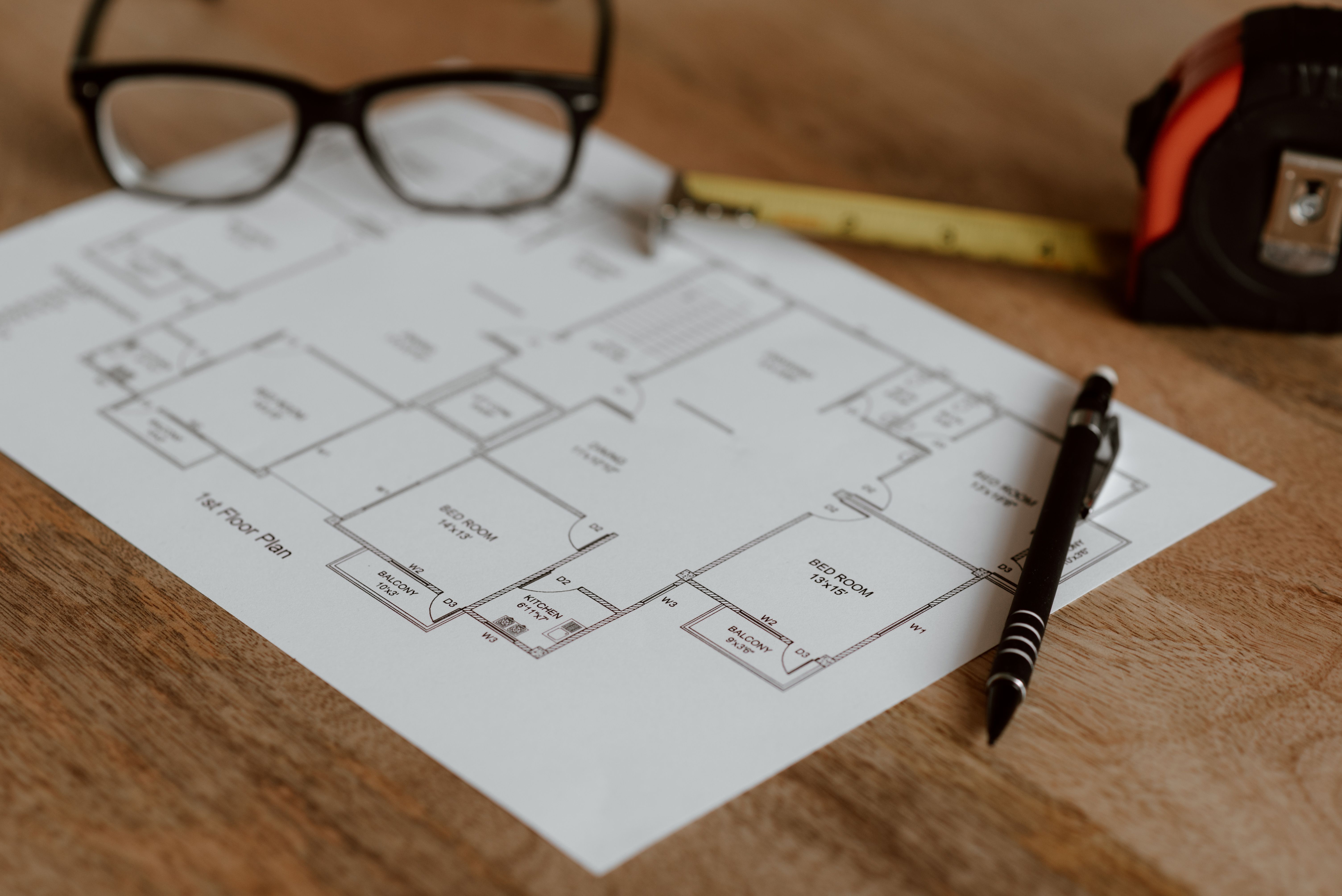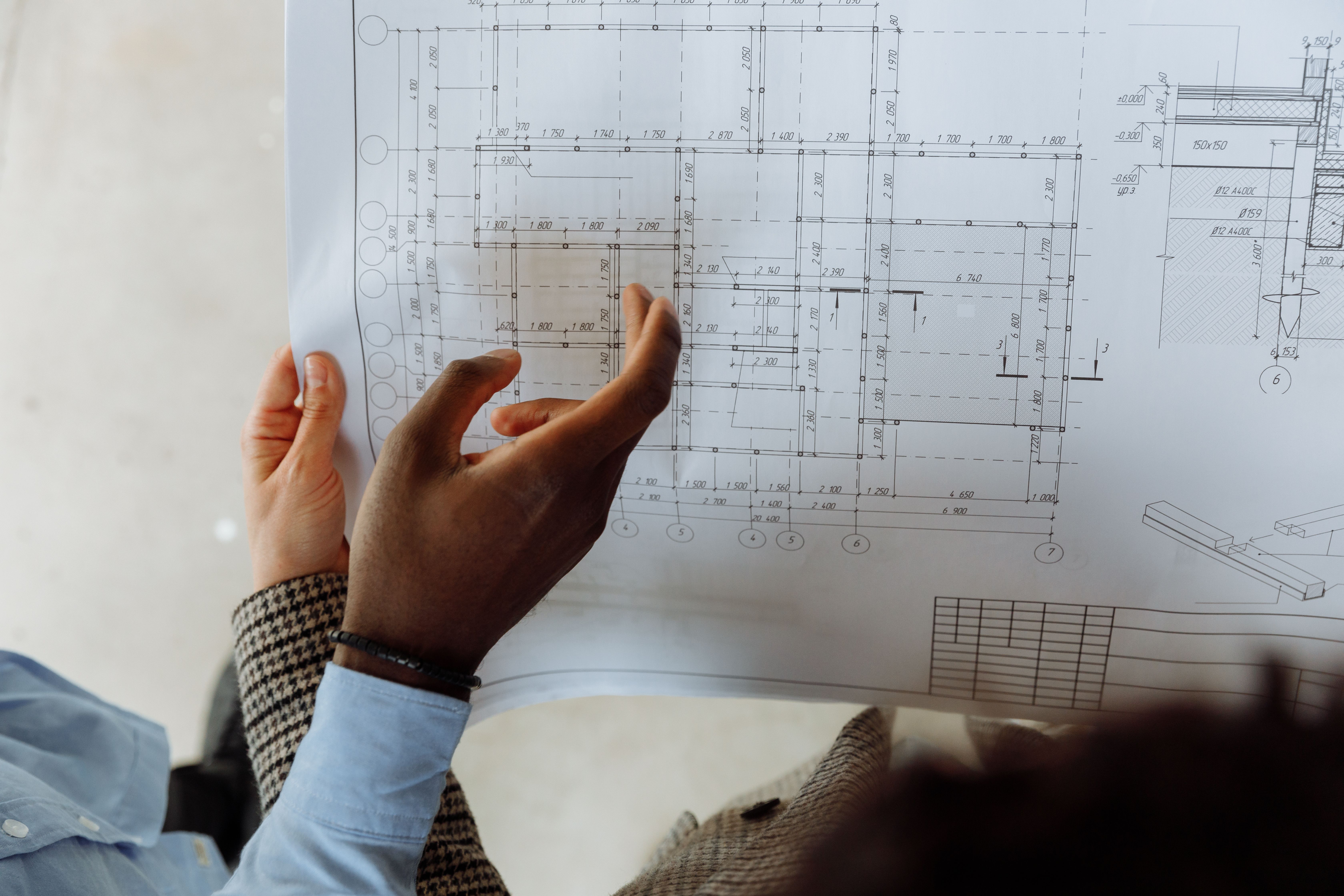
Engineering teams around the world depend on CAD drawings to keep projects moving smoothly across borders, but nailing the translations can be trickier than it sounds. From intricate machine parts sketched in AutoCAD to full assemblies modeled in SolidWorks, one wrong word can throw everything off—leading to misunderstandings that cost time, money, or worse. I remember hearing about a case where "nut" got turned into something you'd eat with trail mix instead of the hardware piece it really was. That's not just funny; it's a real headache in mechanical work.
The big pain point often starts with how text sits inside those files. Pulling out labels, dimensions, and notes for translation usually messes up the layout—think shifted lines or squished text that doesn't fit back in right. In fields like manufacturing or construction, where every millimeter counts, this can snowball into redesigns or failed inspections. Data from a 2025 report by the American Society of Mechanical Engineers shows that formatting errors in translated CAD docs contribute to about 35% of delays in international collaborations. It's even tougher in regulated sectors, like oil and gas, where non-compliance from a bad export could mean hefty fines.
Expertise makes all the difference too, or the lack of it. If your translator doesn't know gears from gadgets, terms get bungled—maybe "shaft" becomes a mining reference instead of a rotating part. A fresh study out of MIT's engineering lab this year flagged that 65% of technical mistranslations stem from missing domain knowledge, with examples like confusing "torque" specs across languages. In a chat I caught with a project manager at Boeing last month, he shared how a botched hydraulic term in a supplier manual led to a two-week shutdown. Stats back this up: the International Journal of Engineering Education noted in their latest issue that translation slip-ups are behind roughly 50% of cross-border prototype failures.
Smart solutions are flipping the script by handling translations right inside the original files, skipping the extract-and-paste dance. This keeps everything aligned and cuts down on tweaks, which helps rein in costs without skimping on quality. Firms using this approach have reported shaving 25-40% off their localization budgets, per insights from a Gartner analysis released in October 2025. And when you team that with translators who've got actual engineering chops—say, folks with degrees in mechanical design who speak the lingo in Mandarin or German—you dodge those rookie errors. It's about context, not just words.
Real stories drive the point home. Just look at Siemens' recent push to translate massive turbine blueprints for Asian markets; by sticking to in-file methods, they halved their error rates and sped up approvals, as detailed in a Nimdzi webinar from November. The whole language services industry is booming too—hitting $78 billion globally this year, fueled by demand for spot-on tech localizations, according to CSA Research's 2025 forecast. These aren't pie-in-the-sky ideas; they're proven ways to stay ahead in a fast-paced global setup.
At the end of the day, blending top-notch tools with real know-how lets companies manage expenses while delivering translations that actually work. For anyone knee-deep in this, linking up with pros who get it is key. Artlangs Translation fits the bill perfectly, fluent in over 230 languages and honed over years in everything from core translation services to video tweaks, subtitling for short dramas, game adaptations, multilingual dubbing on audiobooks, and even data labeling or transcription. They've got a solid lineup of successes, turning complex projects into smooth sails for clients everywhere.