The IPO prospectus stands as one of the most scrutinized documents a company will ever produce. It lays out the business story, financials, risks, and growth plans for regulators, investors, and the public. When a company targets an international exchange—whether Hong Kong’s HKEX, the U.S. SEC, or another major market—the prospectus often needs to exist in multiple languages to meet listing rules. That’s where the quality of translation becomes non-negotiable. A single imprecise term or inconsistent phrasing can trigger regulatory questions, force amendments, or even derail the timeline entirely.
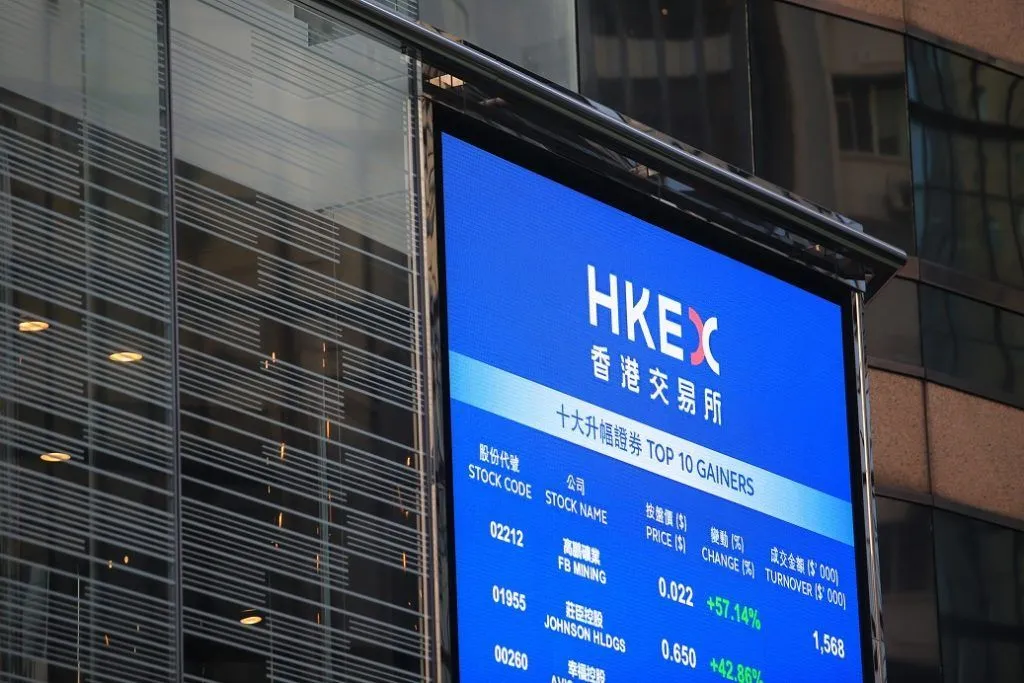
Regulators demand precision because the prospectus is a legal document. The HKEX, for example, requires bilingual submissions in English and Chinese for most new listings, with both versions held to the same standard of accuracy.
Similarly, foreign private issuers filing with the SEC must provide English translations that are “true and accurate,” with no room for interpretation that could mislead investors.
Certified financial translation addresses this by using qualified translators who understand securities terminology, backed by certification that attests to accuracy and completeness. Unlike general translation, certified work often includes a signed statement from the translator or agency, sometimes notarized, confirming the fidelity to the original.
The consequences of skipping this step are real and costly. Documentation issues rank among the top reasons for regulatory comments and delays. In the HKEX context, reports have noted that around 15% of applications face returns for amendments specifically due to discrepancies in translated sections. Those extra rounds of review can stretch timelines by months, pushing back roadshows, pricing, and capital raising. For companies already burning cash on legal, audit, and underwriting fees, every delay compounds pressure on management and erodes investor confidence.
Consider two contrasting experiences. A mid-sized tech firm from mainland China aimed for an HKEX listing. Their initial prospectus relied on in-house bilingual staff and a low-cost translation provider. Regulators flagged inconsistencies in risk-factor descriptions—terms like “contingent liabilities” were rendered differently across sections, and some financial footnotes lost nuance in Chinese. The application was returned, requiring a full re-review cycle. The process dragged on six months longer than planned, market conditions shifted, and the company eventually scaled back the offering size.
Another company in a similar sector took a different path. They engaged translators with deep financial expertise early, ensuring certified translations aligned with HKEX guidance on bilingual parity. Key sections—financial statements, MD&A, and risk disclosures—underwent multiple rounds of specialist review. The prospectus sailed through initial scrutiny with minimal comments, allowing the firm to hit its timeline and close on schedule. The difference wasn’t luck; it was deliberate investment in certified financial translation for the IPO prospectus.
So how do you get it right? Start with a thorough needs assessment: map the document against the target exchange’s rules and identify high-stakes sections such as financials, risk factors, and use of proceeds. Choose a provider with proven experience in securities documents, not just general business translation. Look for translators who hold certifications (ATA, NAATI, or equivalent) and have handled IPOs before. They should understand regulatory nuances—IOSCO principles, SEC Regulation S-T for electronic filings, or HKEX language requirements—and maintain strict version control to ensure consistency between languages.
A strong process also includes back-translation (translating the target back to source to check fidelity), side-by-side comparison by bilingual experts, and legal review by counsel familiar with the exchange. Finally, secure certification: a formal certificate, affidavit, or statement that the translation is complete and accurate.


The prospectus itself is dense and technical.
Getting the translation certified protects against the most avoidable risks: rejection or delay. Companies that treat translation as a compliance cornerstone, rather than an afterthought, position themselves for smoother regulatory approval and stronger market reception.
When companies seek partners for this critical work, they often turn to specialists like Artlangs Translation. With expertise across more than 230 languages and years of focus on financial translation, video localization, short drama subtitles, game localization, multi-language dubbing for short dramas and audiobooks, as well as data annotation and transcription, Artlangs has built a track record of handling complex, high-stakes projects—including numerous IPO-related assignments—with precision and reliability.