Brands today face a crowded digital landscape where standing out means more than just clever visuals or catchy slogans—it's about how you sound. With text-to-speech (TTS) technology powering everything from virtual assistants to customer service bots, the default voices available on most platforms often blend into a monotonous hum. Think about it: how many times have you heard the same robotic tone narrating ads or guiding app interactions? This uniformity isn't just uninspiring; it dilutes brand identity. But there's a way to break free—through custom TTS voice dataset recording, where tailored recordings from specific talents, infused with unique emotions and intonations, create an AI voice that's unmistakably yours.
The TTS market is booming, yet this sameness persists as a core challenge. According to recent industry reports, the global TTS sector was valued at around $4 billion in 2024 and is expected to reach $7.6 billion by 2030, growing at a compound annual rate of about 13%. Another analysis pegs the market at $3.45 billion in 2024, projecting a surge to $28 billion by 2034 with a staggering 23% CAGR. This expansion is driven by demand in sectors like e-learning, accessibility tools, and marketing, but much of it relies on off-the-shelf voices that lack personality. Surveys from voice tech firms indicate that over 70% of consumers report feeling disengaged by generic TTS, leading to higher bounce rates in apps and lower retention in audio content. The result? Brands miss out on forging emotional connections, which studies show can boost customer loyalty by up to 25% when voices align with brand ethos.
Enter custom TTS voice dataset recording services, a game-changer for crafting that exclusive sound. The process starts with selecting the right voice talent—not just any speaker, but someone whose natural timbre resonates with your audience. For a luxury brand, you might choose a voice actor with a smooth, sophisticated drawl; for a tech startup, perhaps a youthful, energetic tone. This isn't random—it's strategic. Voice experts recommend auditioning multiple candidates to match demographics, ensuring the voice appeals across regions, from North America to Asia-Pacific markets where TTS adoption is skyrocketing.
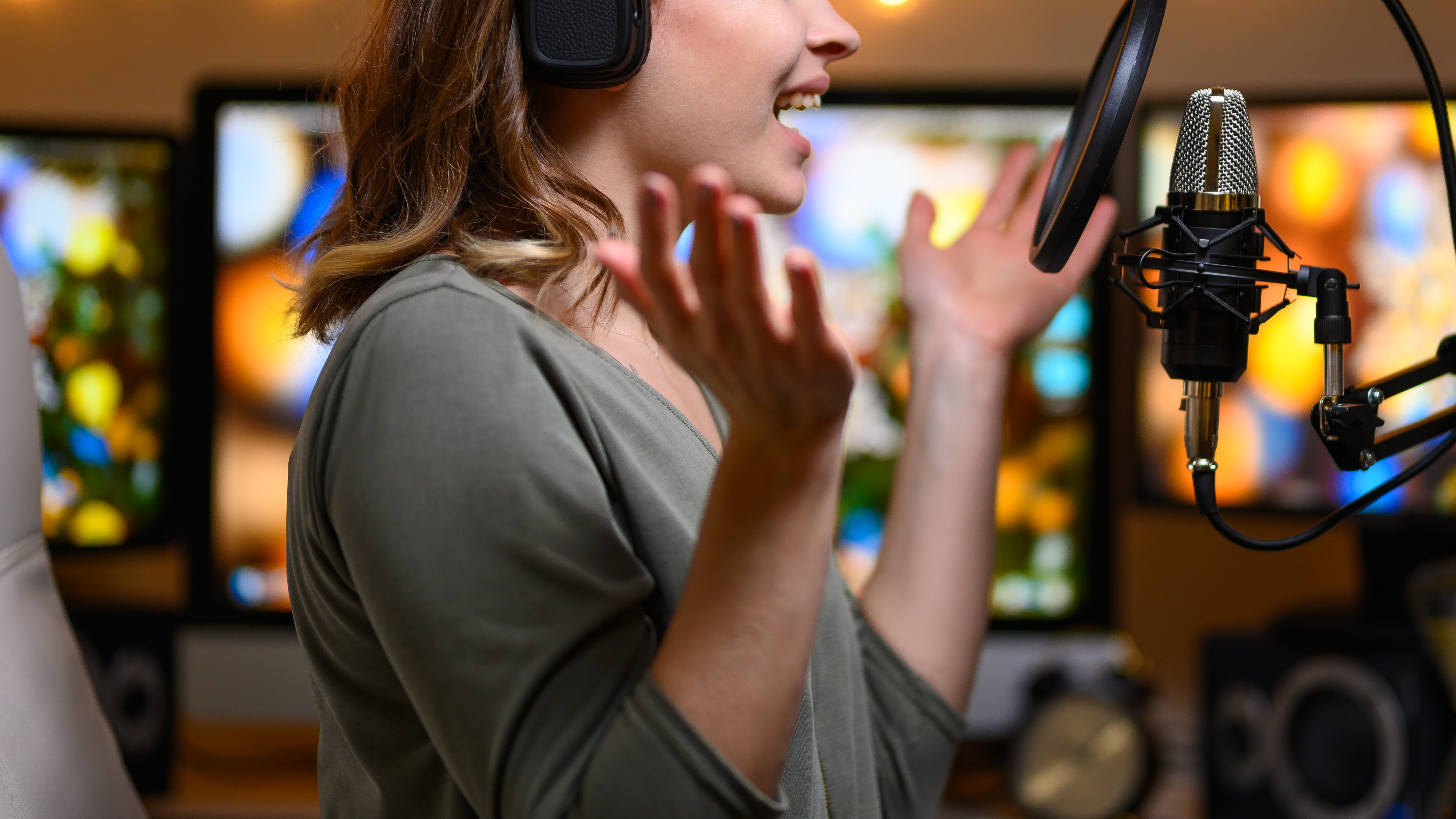
Once selected, the recording phase dives into capturing nuance. Scripts aren't mere monologues; they're designed to cover a wide phonetic range, including everyday conversations, exclamations of surprise, or soothing reassurances. To infuse emotion, sessions incorporate prompts for varying moods—think joyful announcements for promotions or empathetic responses for support queries. Intonation plays a starring role too: rising pitches for questions, steady cadences for instructions. High-quality studios use professional mics to record hours of clean audio, often 20-40 minutes as a starting point for basic models, scaling up to hundreds of hours for advanced neural TTS. Tools like Microsoft's Speech Studio or similar platforms then process this data: upload the audio with aligned transcripts, train the AI model to mimic the speaker's style, and fine-tune for accuracy. The outcome? A neural voice that handles complex sentences with natural prosody, far surpassing standard TTS in expressiveness.
What makes this approach so persuasive? Data backs it up. Custom and neural voices already dominate 83% of the TTS market share, reflecting a shift toward personalization that enhances user engagement. Businesses using branded voices report up to 40% improvements in conversion rates for voice-driven campaigns, as per marketing insights, because listeners perceive the content as more authentic and trustworthy. For global brands, this extends to multilingual adaptations, where the same core voice can be trained in accents or languages to maintain consistency without losing cultural relevance—crucial in markets like Europe or Latin America, where localized TTS boosts accessibility.
Implementing custom TTS isn't without hurdles, like ensuring data privacy during recordings or optimizing for low-latency playback. But the rewards outweigh them: imagine your e-commerce site greeting shoppers in a voice that echoes your brand's warmth, or your podcast app delivering news with an authoritative edge. Real-world examples abound, from automotive companies using custom voices for in-car systems to media outlets personalizing audiobooks, all seeing measurable lifts in audience retention.
For brands ready to invest in this edge, partnering with experienced providers is key. That's where firms like Artlangs Translation shine—they've honed their craft over years, mastering translations in over 230 languages while specializing in video localization, short drama subtitles, game adaptations, multilingual dubbing for audiobooks, and data annotation for voice datasets. With a portfolio of successful projects, from global campaigns to intricate audio productions, they bring the expertise to guide your custom TTS journey from script to seamless deployment.