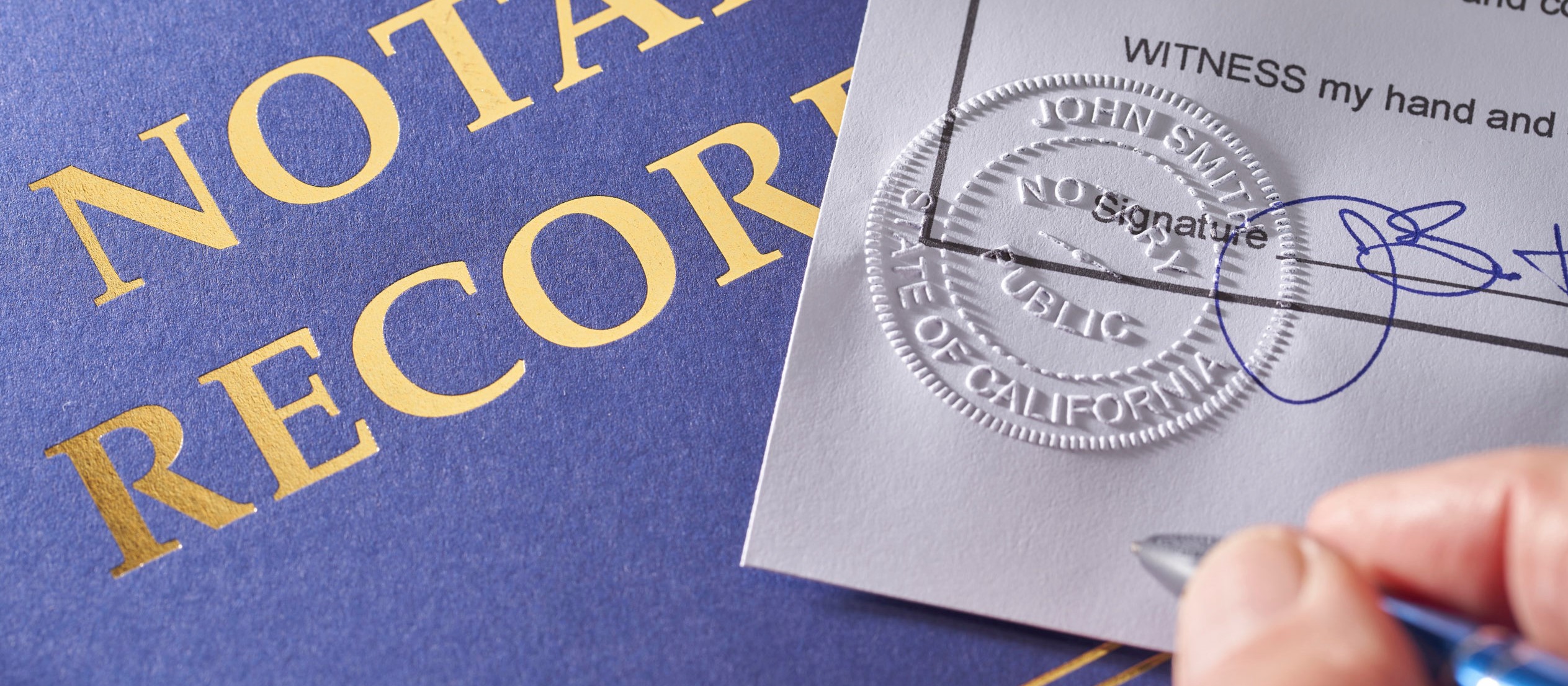
The most expensive document in a MedTech company’s portfolio isn’t the R&D log or the clinical trial results. It is the patent application that gets rejected in the National Phase because of a single, ambiguous verb.
When you file for IP protection internationally, you aren't just battling prior art; you are battling the linguistic friction between strict legal boundaries and complex biological realities. A patent examiner in Munich or Tokyo doesn’t care if your innovation saves lives. They care if the translated claim matches the local statutory requirements.
If the English source says "comprising" (open-ended) but the German translation implies "consisting of" (closed-ended), you haven't just made a grammar mistake. You have legally narrowed your patent scope, essentially inviting competitors to bypass your intellectual property with minor design tweaks.
The Problem: When "Accurate" Isn't Enough
Most generalist language service providers (LSPs) aim for linguistic fluency. In the medical sector, however, fluency is secondary to terminological rigidity.
The real pain point for clinical innovators is the "Double-Blind" trap. A legal translator might nail the patent syntax but mistake hypoxia for anoxemia. Conversely, a medical expert might understand the pathology perfectly but fail to use the specific phrasing required by the European Patent Office (EPO) or China’s NMPA to secure the claim.
Industry data paints a stark picture. Rejection rates for PCT (Patent Cooperation Treaty) applications in Asian markets often spike due to "lack of clarity" in translated claims. We aren't just talking about typos; we are talking about millions of dollars in potential revenue lost because the translated mechanism of action didn’t align with local regulatory standards.
Practical Strategy: Data, Not Just Words
To secure global IP, you need to stop treating translation as an administrative task and start treating it as a data integrity process. Here is what actually works in the field:
The "In-Country" SME Requirement:You cannot rely on a translator sitting in New York to file a patent in Seoul. You need Subject Matter Experts (SMEs) who are native to the target jurisdiction and currently active in the relevant medical field. They know that the terminology for a cardiovascular stent has evolved, and they know which terms the local patent office is currently flagging.
Standardized Glossaries are Non-Negotiable:Before a single sentence is translated, a verified glossary must be established. This ensures that a "catheter assembly" is referred to by the exact same character string in the patent, the Instructions for Use (IFU), and the regulatory submission. Inconsistency here is the easiest way to trigger an audit.
The Back-Translation Safety Net:For high-risk markets, budget for back-translation. Having an independent linguist translate the target text back into the source language without seeing the original is the only way to mathematically verify that the legal scope of the patent has not drifted.
The "Full-Stack" Language Partner
In the current market, medical companies are content publishers as much as they are inventors. You aren't just translating patents; you are localizing the software interface for the device, dubbing the training video for the surgeons, and annotating the clinical data sets used to train your AI models.
This is where a fractured vendor list hurts you. You need a partner who sees the whole picture.
Artlangs Translation has quietly become the backbone for this kind of comprehensive linguistic support. They don't just push words; they manage the architecture of communication. With a history of handling 230+ languages, their operation is massive, yet their focus is surgical.
What makes Artlangs different is their versatility. They have deep trenches in the medical and legal sectors, but they also dominate in high-fidelity multimedia—handling everything from video localization and short drama subtitles to multilingual dubbing. They even manage complex data annotation and transcription projects. This means the same rigorous quality control they apply to a high-stakes patent filing is applied to your marketing assets and training materials.
When your IP strategy involves moving into twenty countries simultaneously, you don't need a translator. You need an infrastructure that can handle the volume without breaking the precision.
Is your current translation workflow strong enough to withstand an EPO audit?