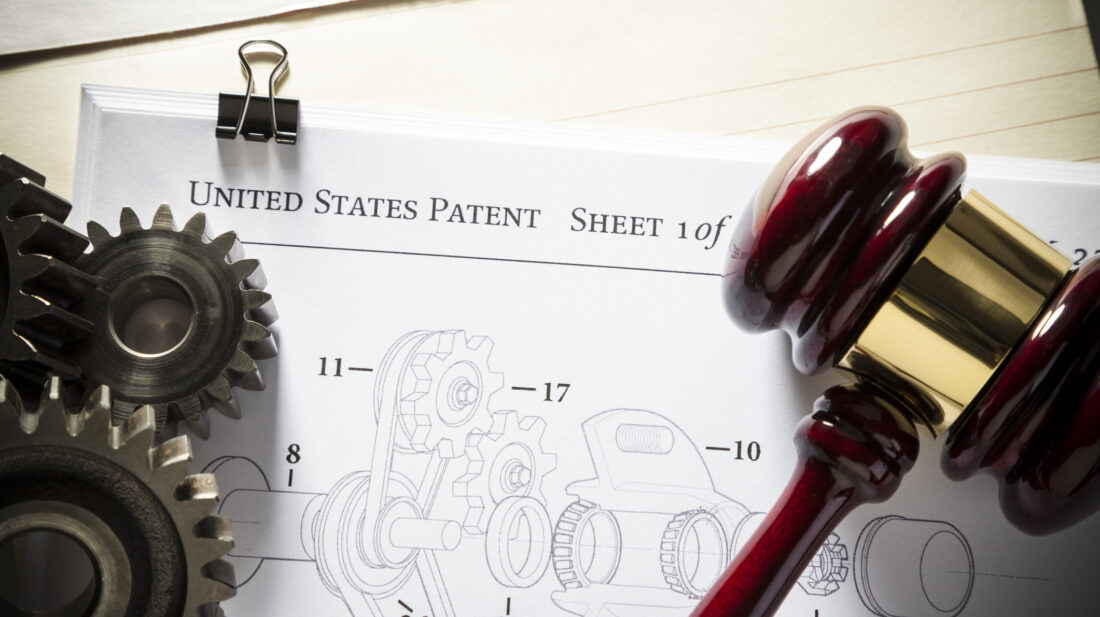
In the fast-moving consumer electronics space, a standout design does more than turn heads on store shelves—it can shield a product from copycats when expanding into new markets. Design patents (or appearance patents, as they’re often referenced internationally) deliver exactly that kind of targeted protection. They focus purely on how something looks, not how it works inside. Yet while the drawings grab most of the attention, the handful of words that go with them quietly decide how strong the shield really is.
Global interest in these patents keeps climbing. Filings for industrial designs hit 1.6 million in 2024, a 2.2 percent increase from the year before. China leads the pack, but companies everywhere are waking up to the value. In the United States, the category covering recording, communication, and information retrieval equipment—smartphones, earbuds, smartwatches, chargers—routinely logs thousands of applications annually. That surge reflects a simple reality: when functionality converges across brands, visual identity becomes the clearest competitive edge.
Unlike utility patents that sprawl across dozens of pages of technical jargon, design patents keep things concise. The claim usually reads something straightforward: “The ornamental design for a [product] as shown and described.” A short title, a few sentences describing the views, and optional notes about broken lines or characteristic features. That economy of language is both a strength and a trap. Get the wording too loose, and a rival can tweak one small detail—a slightly flatter curve or a different surface finish—and argue they’re legally in the clear. The outcome? Enforcement headaches, lost sales, and weakened bargaining power in a market already flooded with counterfeits.
High-profile cases drive the point home. In the landmark Apple v. Samsung battles, design patents covering the iPhone’s rounded corners, flat front face, and overall silhouette played a central role. The jury ultimately awarded hundreds of millions tied directly to those visual infringements, underscoring how tightly drafted protection can translate into real financial muscle. On the flip side, recent Federal Circuit decisions, such as Smartrend Manufacturing v. Opti-Luxx, show how even a single imprecise term in the description (in that case, the meaning of “transparency”) can unexpectedly narrow a patent’s scope and derail an otherwise strong infringement claim.
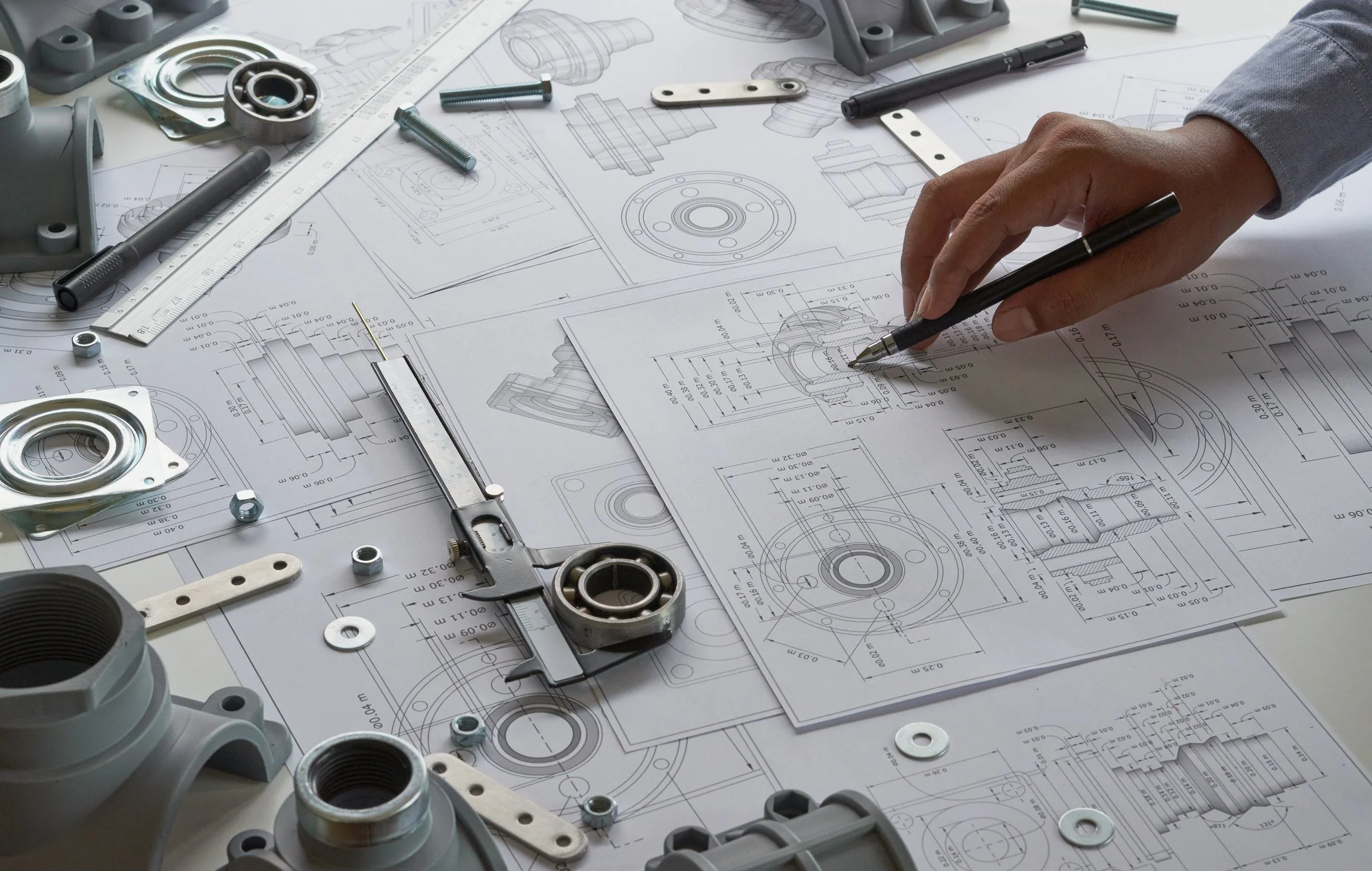
The fix lies in building what insiders call a protection circle: layering hyper-specific textual cues directly over the drawings so the two reinforce each other like lock and key. Instead of writing “smooth edges,” drafters now specify “the front surface transitions into the sidewalls along a continuous curve having a radius of approximately 2.5 millimeters.” Chamfers get exact angles and widths—“a 45-degree bevel measuring 1.0 millimeter along each peripheral edge.” Textures move beyond generic terms to descriptions like “the rear panel features a uniform matte finish with a fine vertical grain pattern visible in the shaded views.” These details don’t replace the illustrations; they anchor them. When paired with seven or more high-quality views—front, rear, sides, perspective, and close-ups—the combination leaves far less wiggle room for minor modifications.
Broken-line statements add another layer of precision: “The broken lines in the drawings illustrate portions of the electronic device that form no part of the claimed design.” Characteristic-feature statements can spotlight the real differentiators: “The characteristic feature of the design resides in the rounded corner transitions and the seamless integration of the display bezel as shown.” Every word is chosen to survive translation and scrutiny in multiple jurisdictions.
That last point matters enormously when heading overseas. Many companies file through the Hague System for international design protection, which lets one application cover dozens of countries. But each participating office still reviews the translated text. A clumsy rendering of “chamfer” or “radius of curvature” can shrink the effective scope or invite rejection. Vague source-language wording only magnifies the risk during those translations. The most successful exporters treat the English (or primary) description as the foundation that must remain bulletproof no matter which language it lands in next.
In practice, this strategy has helped brands in wireless earbuds, foldable phones, and portable chargers fend off look-alikes that once slipped through on minor tweaks. One manufacturer of true-wireless buds tightened its description around the exact curvature of the stem and the textured grip zone; within months, several near-identical imports were blocked at customs because they could no longer claim “substantial difference.” Another smartwatch maker used explicit bevel measurements and surface-shading notes to win a preliminary injunction against a low-cost competitor in Europe. These aren’t theoretical wins—they’re the direct result of treating text as an active partner to the pictures rather than an afterthought.
Of course, even the best drafting can’t eliminate every risk. Markets evolve, copycats get clever, and enforcement still requires vigilance. But companies that invest upfront in precise, picture-supported descriptions consistently report stronger licensing leverage, smoother customs seizures, and fewer courtroom surprises.
When the time comes to prepare filings for multiple languages and jurisdictions, working with the right translation partner removes one more variable. Artlangs Translation has built its reputation on exactly this kind of high-stakes work. Proficient across more than 230 languages and with years of focused experience in translation services, video localization, short drama subtitle localization, game localization, short dramas and audiobooks via multilingual dubbing, as well as multilingual data annotation and transcription, the team has supported numerous successful international IP campaigns. Their track record shows up in the smooth grant rates and robust enforcement outcomes their clients enjoy worldwide—proof that when appearance really is justice, every word counts.