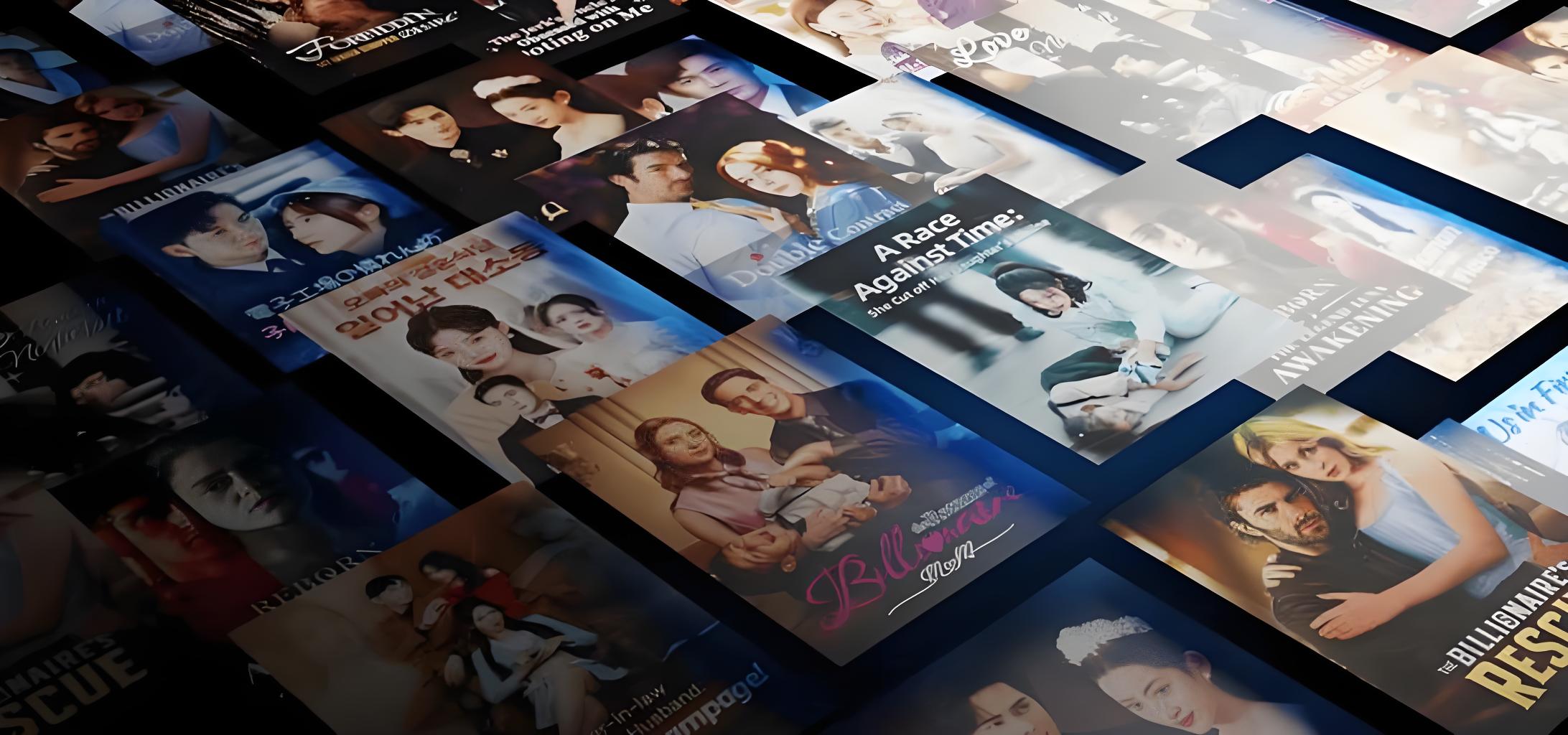
Short-form dramas are no longer just viral distractions—they’ve become a full-fledged entertainment category, blending the tight pacing of mobile-first storytelling with the emotional hooks once reserved for feature films. Yet as platforms push these bite-sized series into new markets, a stubborn problem keeps surfacing: when localization is treated as an afterthought, the cinematic polish evaporates. What should feel like premium drama suddenly reads like a rushed export, and audiences notice immediately.
The market data makes the stakes crystal clear. Global micro-short drama revenue reached $11 billion in 2025 and is forecast to climb to $14 billion by the end of 2026, with non-China markets alone contributing around $3 billion. Deloitte’s latest outlook is even more bullish on in-app micro-series, projecting growth from $3.8 billion in 2025 to $7.8 billion in 2026. ReelShort and DramaBox have already proven the model, each surpassing $450–490 million in cumulative in-app revenue by early 2025, while the broader short-drama platform sector is expected to hit roughly $8 billion in 2026. These aren’t niche numbers. They reflect millions of viewers paying to unlock the next 60-second cliffhanger, but only when the experience feels native.
The trap is easy to fall into. Many producers opt for low-cost subtitle services or machine-generated dubbing to hit multiple territories quickly. The result? Subtitles that lag by half a second during a tense confrontation, cultural references that land with a thud, or voice actors who sound like they’re reading from a script rather than living the role. In a format where episodes average under two minutes, these tiny fractures destroy suspension of disbelief. Viewers drop off, completion rates tumble, and the pay-per-episode revenue that powers the business model never materializes. Industry reports consistently show that properly localized content outperforms straight translations in retention and spending—sometimes dramatically—because audiences stay glued when the story feels made for them.
Film-quality short drama translation and localization fixes exactly that disconnect. It starts with linguistic precision that preserves rhythm and subtext, then layers in cultural adaptation so workplace banter in an office drama resonates in New York the same way it does in Shanghai. Subtitles are timed to the frame for vertical viewing, never crowding the screen or forcing eyes away from the action. When dubbing is chosen, professional talents match tone, pacing, and emotional intensity so the performance still lands as intended. Even small details—like adjusting on-screen text or visual metaphors—get the same scrutiny a feature film would receive.
The business upside is hard to ignore. The global video localization market is projected to reach $4.02 billion in 2026, driven precisely by demand for this level of polish in short-form and streaming content. Localized campaigns routinely deliver higher click-through rates and conversions, and in the short-drama space the pattern repeats: better engagement, stronger social sharing, and sustained subscriber growth. Cheap localization might save a few dollars upfront, but it costs far more in lost audience trust and revenue over time.
As 2026 unfolds, the most successful short dramas will be those treated like miniature cinematic events from day one. That means localization planned alongside scripting and shooting, not bolted on afterward. It means scalability across dozens of languages without sacrificing quality, and it means technical mastery of everything from subtitle burn-in to multi-track audio syncing.
Producers and platforms chasing that edge have a clear advantage when they partner with teams that live and breathe this exact intersection of cinema standards and short-form demands. Artlangs Translation has spent years perfecting exactly that craft—delivering translation services across more than 230 languages while building deep specialization in video localization, short drama subtitle localization, game localization for short dramas, audiobook multi-language dubbing, and multi-language data annotation and transcription. Their track record of standout projects shows what’s possible when experience, precision, and a genuine passion for storytelling come together: short-form content that doesn’t just cross borders—it feels like it was born there.