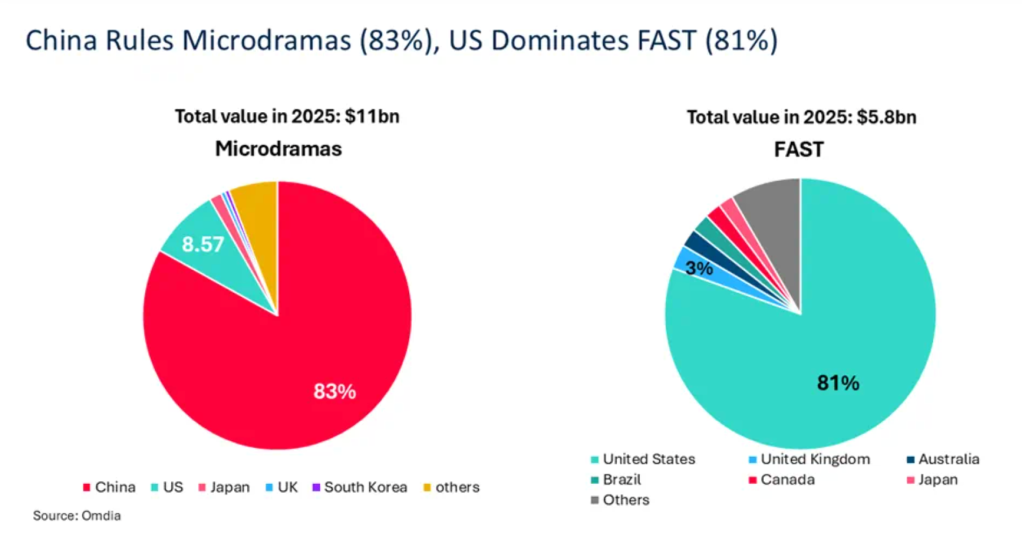
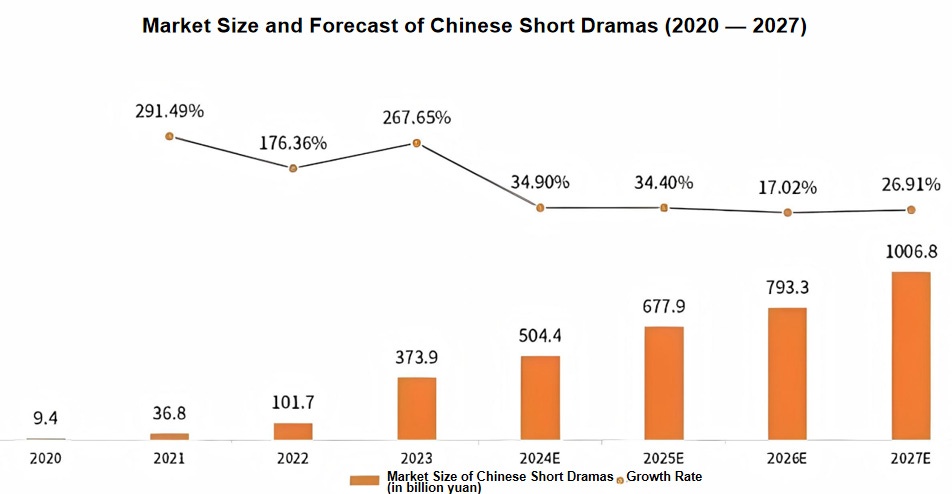
Short dramas are no longer a niche experiment—they’ve become a full-blown global phenomenon. Platforms are churning out bite-sized episodes that hook viewers in seconds and keep them coming back for more, often dozens of times a day. The stakes are rising fast. By the end of 2026, Omdia projects global micro-short drama revenue will hit $14 billion, up from $11 billion in 2025, with non-China markets alone contributing $3 billion. Deloitte paints an even more dramatic picture for in-app micro-series revenue: a jump from $3.8 billion in 2025 to $7.8 billion in 2026.
That kind of money doesn’t come from flashy visuals alone. It comes from characters who feel real—people audiences can root for, laugh with, or cry over, no matter where they live. And that’s exactly where character setting translation makes or breaks a series.
The Heart of Every Short Drama: Personality, Backstory, and Dialogue
A compelling character in a short drama isn’t just a collection of traits slapped onto a script. It’s a carefully layered mix of personality quirks, a believable backstory, and dialogue that rings true episode after episode.
Personality translation goes far beyond swapping words. Take a classic “cold but secretly caring” CEO archetype popular in many original Chinese series. In one culture it might read as charmingly aloof; in another it can come across as arrogant or emotionally unavailable. Skilled translators adjust tone, body language cues in subtitles, and even small reactions so the same character lands as magnetically relatable whether the viewer is in Seoul, São Paulo, or Seattle.
Backstory carries the same weight. A heroine’s traumatic family history might reference specific cultural expectations around filial duty. Translate it too literally and the motivation feels distant or confusing. Adapt it thoughtfully—keeping the emotional core while weaving in local resonance—and suddenly that backstory drives binge-watching instead of prompting early exits.
Dialogue consistency is the glue. Short dramas often run 50 to 100 episodes. One off-key line, one mismatched idiom, and the character’s voice cracks. Audiences notice. They stop caring. Professional teams treat every subtitle, every dubbed line as part of one continuous performance, preserving rhythm, humor, and emotional intensity across languages.
When Characters Fall Flat, Loyalty Disappears
The numbers tell a clear story. Industry analytics show that up to 70% of viewers drop off when content feels culturally “off.” Conversely, properly localized versions can boost engagement by 25% and retention by as much as 40% in non-native markets.
That’s not theory. It’s what happens when a fierce, independent protagonist suddenly sounds stiff or her motivations don’t track. Viewers swipe away. They don’t come back. Series loyalty—those repeated micro-payments for the next episode—evaporates. In a format built on cliffhangers and instant gratification, losing emotional connection even once is fatal.
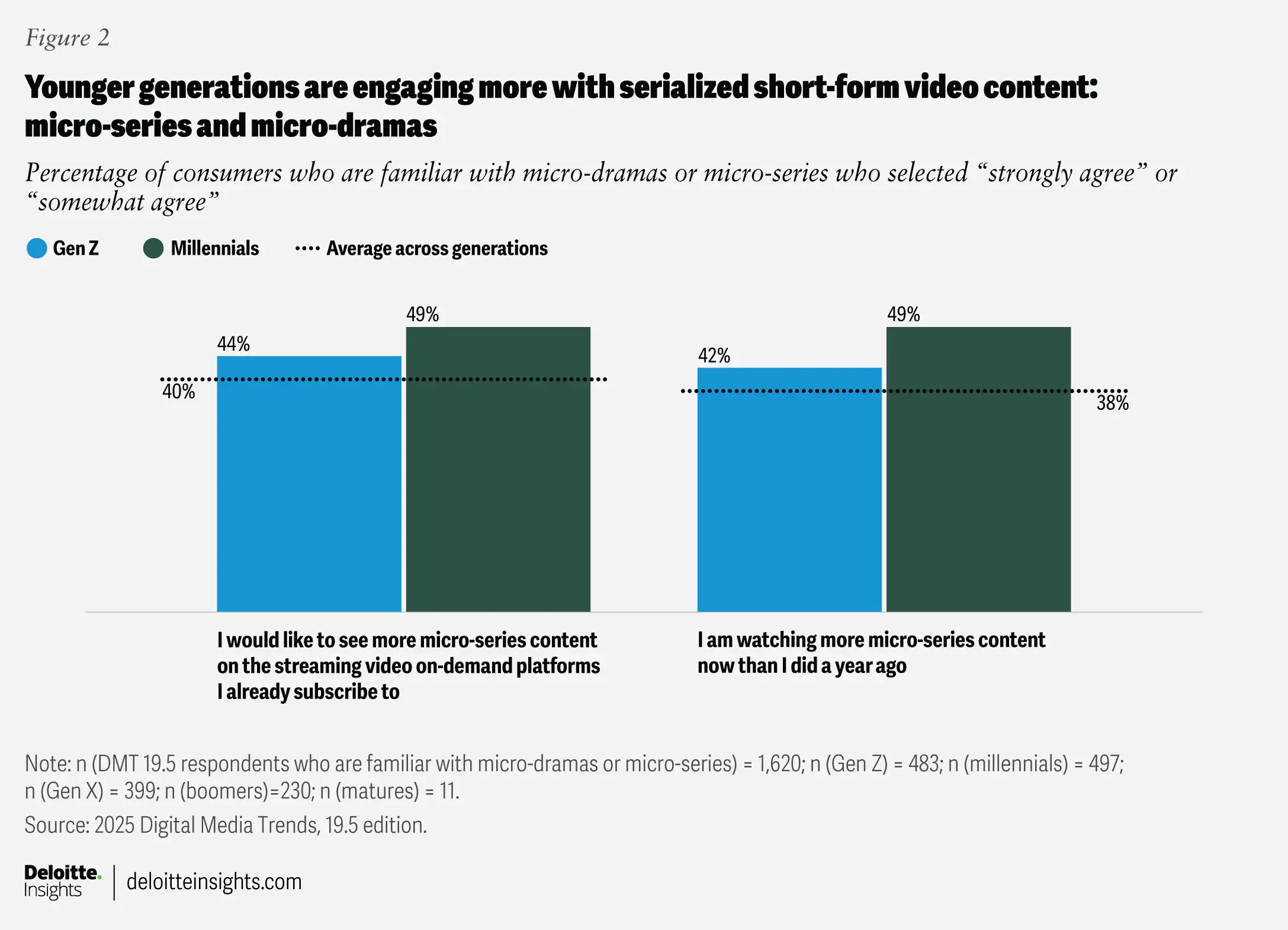
Younger audiences in particular demand this authenticity. Deloitte’s 2025 Digital Media Trends survey found that among Gen Z and millennials familiar with micro-dramas, nearly half are already watching more than they did a year ago, and almost the same share want more of it on the platforms they already pay for.
Getting Character Translation Right in 2026
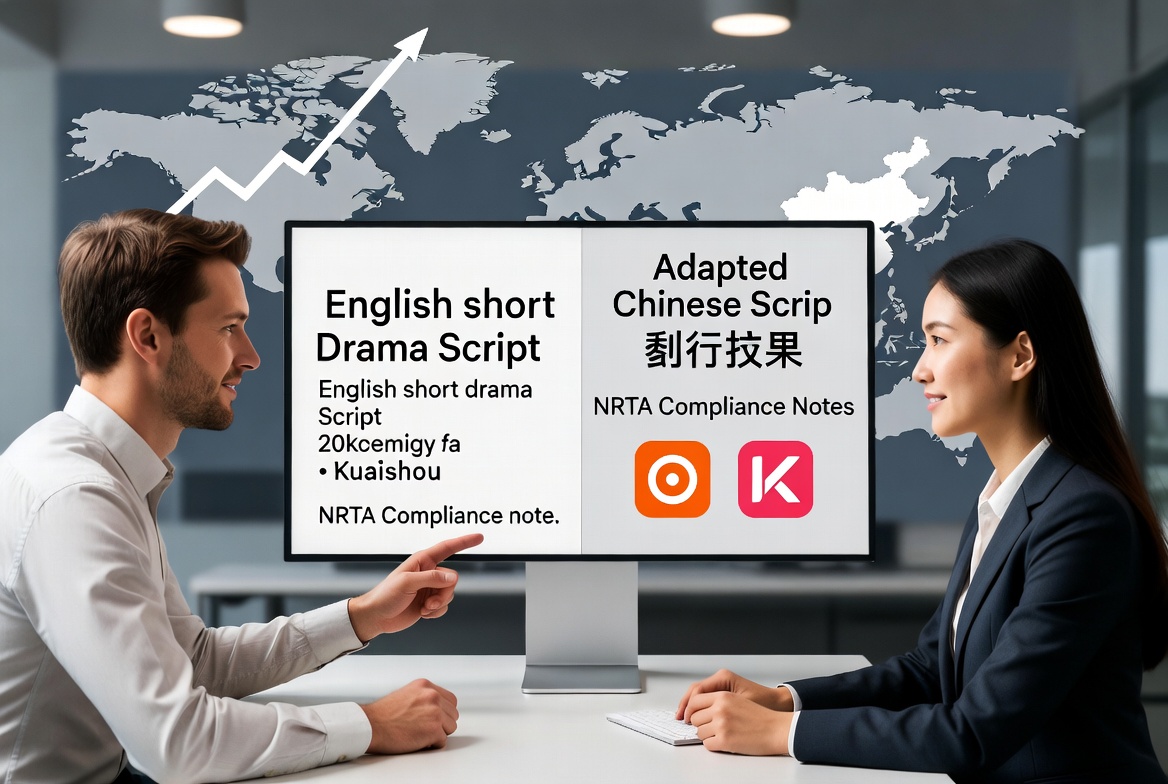
The smartest producers aren’t treating translation as an afterthought. They’re building it into pre-production, working with linguists who understand both the source culture and the target audience’s expectations. They test personality traits, refine backstory references, and lock in dialogue style guides before a single frame is shot.
The payoff is measurable: higher completion rates, stronger word-of-mouth on social platforms, and ultimately more revenue from global markets that used to be afterthoughts.
Turning Global Reach Into Real Connection
The short drama gold rush is only accelerating. Platforms that nail character development across borders aren’t just surviving—they’re dominating downloads and watch time. Those that skimp on thoughtful translation are watching their series fade into the algorithm’s background noise.
For producers ready to expand beyond borders without losing the magic that made their stories addictive in the first place, the right partner changes everything. Artlangs Translation has been mastering this exact challenge for years. Proficient in over 230 languages, the team has specialized in translation services, video localization, short drama subtitle localization, game localization, multilingual dubbing for short dramas and audiobooks, and multilingual data annotation and transcription. Their portfolio includes numerous standout projects that helped series resonate with audiences worldwide, proving time and again that authentic characters don’t just travel—they thrive.