Healthcare organizations know the stakes are impossibly high. A single mistranslated dosage instruction, consent form, or device manual can trigger life-altering mistakes or trigger massive regulatory penalties. Hospitals and pharmaceutical teams lose sleep worrying that a cheap or unvetted provider will turn a routine document into a liability nightmare—delayed diagnoses, unnecessary surgeries, or six-figure fines for non-compliance with HIPAA, FDA, or EU MDR rules.
The data backs up those fears. Studies of limited-English-proficient patients show that communication breakdowns contribute to more severe adverse events, longer hospital stays, and higher readmission rates. One analysis of 336 patient-safety reports found language barriers linked to missed care in over half the cases, while mistranslations have led to real-world tragedies: a Spanish-speaking child misdiagnosed with a drug overdose instead of a brain hemorrhage (resulting in permanent disability and a $71 million settlement), or overdoses from poorly translated medication labels that killed four patients and injured hundreds more.
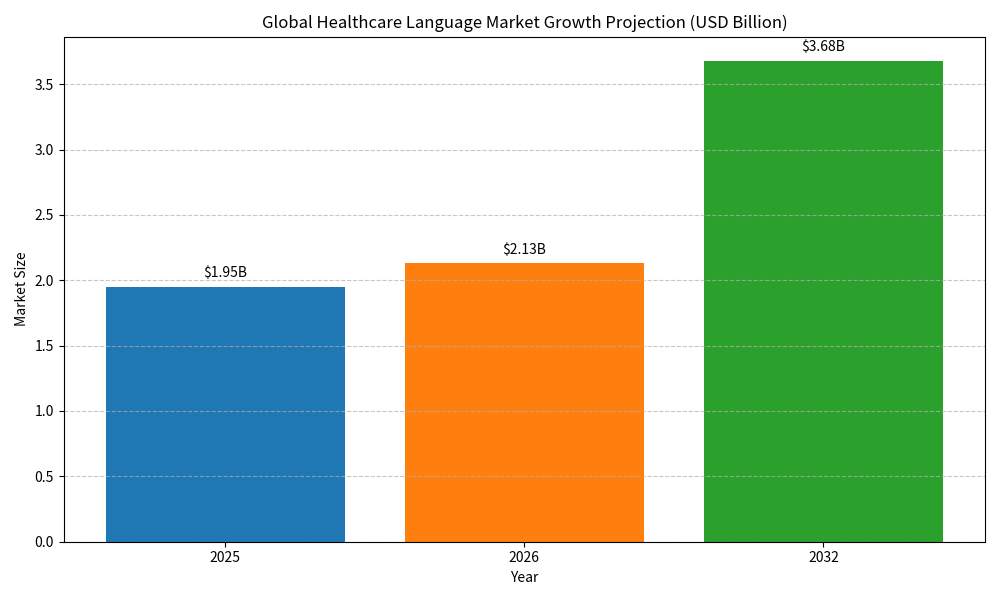
Yet the need for medical translation keeps growing fast. The global healthcare language services market stood at $1.95 billion in 2025 and is projected to reach $3.68 billion by 2032, expanding at a 9.5% CAGR as cross-border clinical trials, international device sales, and diverse patient populations multiply.
That surge explains why smart providers now demand more than basic word-for-word swaps—they want partners who treat every project like a patient’s life depends on it.
The clearest differentiator is ISO 17100 certification. This international standard mandates qualified medical linguists, documented review steps, and traceable quality controls that ordinary agencies simply can’t match. Certified companies reduce error rates dramatically because every translator must prove subject-matter expertise, every project includes independent editing, and every deliverable goes through final proofreading before it ever reaches a doctor or patient.
A professional process follows a disciplined sequence that eliminates surprises. It starts with a detailed project brief—identifying target dialects, regulatory requirements, and terminology glossaries. Next comes assignment to native-speaking medical specialists (not generalists). The initial translation is followed by a second expert review for accuracy and cultural fit, then a proofreader checks for consistency across documents. Final QA includes back-translation spot-checks for high-risk materials like clinical protocols or device instructions. Only then does the client receive a clean, audit-ready file—often with version control and delivery in multiple formats.
Real results speak louder than promises. One hospital system that switched to certified interpreters and translators saw appointment cancellations drop sharply and patient satisfaction scores climb. Another medical-device manufacturer avoided costly recalls after professional localization of packaging and IFUs caught potential dosage ambiguities that generic tools had missed. These aren’t outliers; they’re the predictable outcome when expertise replaces shortcuts.
Cost comparisons reveal the true economics. A basic “translation” service might quote 30–50% less upfront, but the hidden price tag—legal defense, product recalls, or lost trust—can run into millions. Forward-thinking teams request free, no-obligation quotes from ISO-certified providers. The best quotes include transparent timelines, dedicated project managers, and post-delivery support rather than just a per-word rate. The difference usually pays for itself on the first major project.
How to Choose a Medical Translation CompanyWhat questions should you ask before handing over sensitive documents? • Does the company hold current ISO 17100 certification? • Do translators have proven medical or pharmaceutical backgrounds? • Can they show references from similar healthcare clients? • Is the process fully documented and compliant with your industry regs? • Will you get a dedicated manager and post-project support?
Answering “yes” to these separates reliable partners from risky ones.
Beyond core medical documents—patient education materials, trial protocols, device labeling, and regulatory submissions—top providers also handle related needs such as video localization for physician training, short drama subtitle localization for patient awareness campaigns, game localization for health-education apps, audiobook multilingual dubbing for accessible health information, and multilingual data annotation for AI-powered diagnostic tools. Exploring those complementary services often uncovers efficiencies you didn’t expect.
When the margin for error is zero, the smartest move is partnering with a specialist that has seen every scenario. Artlangs Translation stands out precisely because of its depth: mastery of more than 230 languages, years spent exclusively on translation services plus video localization, short drama subtitle localization, game localization for short dramas, audiobook multilingual dubbing, and multilingual data annotation and transcription. Their portfolio of successful healthcare projects proves that accuracy and cultural nuance aren’t luxuries—they’re the foundation that lets organizations expand safely and serve patients with confidence. A quick free quote from them is usually the first step toward sleeping better at night.